Pug
The Pug is a small yet remarkably expressive toy breed, originating from ancient China where it served as a cherished companion to nobility.
Today, this distinctive dog remains beloved worldwide for its wrinkled face, large soulful eyes, and compact muscular frame, typically weighing between 6–8 kg.
6-8kg
Weight
Small
Size
12-14yrs
Lifespan
About the Pug
Despite their modest size, Pugs move with surprising confidence and agility. Their short coat requires regular grooming, particularly around facial folds, and they do shed throughout the year. With a lifespan of 12–14 years, these dogs offer long-term companionship to devoted owners. Pugs are charming, sociable, and genuinely affectionate companions with an even-tempered disposition perfectly suited to family life. They thrive on human interaction and excel with children, combining playful antics with an attentiveness to their owners' moods. Whilst clever, they can be stubborn and food-motivated, making consistent, positive training essential. The breed is generally docile and gets along well with other pets, making them ideal for multi-dog households. Given their brachycephalic structure, Pugs have limited exercise tolerance and require no more than one hour of daily activity, with particular care needed during warm weather. They adapt admirably to apartment living and are well-suited to less active owners. Overall, the Pug offers affectionate companionship combined with manageable care demands, making them perfect for diverse households seeking an interactive, loving canine friend.
Pug at a Glance
- Group
- Toy
- Size
- Small
- Weight
- 6–8 kg
- Height
- 25–36 cm
- Lifespan
- 12–14 years
- Coat
- Short
- Sheds
- Yes
- Exercise
- Up to 1 hour per day
- Origin
- China
- Colours
- Black, Fawn, Silver Fawn, Apricot
- Typical price
- £500–£1500
Pug Temperament
The Pug is a charming, sociable, and affectionate companion breed with a warm, even-tempered disposition that makes it well suited to family life. Playful and endearing, they love human company and are generally excellent with children, enjoying games and cuddles in equal measure. They are attentive to their owners' moods and thrive on attention and affection. Though clever, Pugs can be stubborn and food-motivated, which requires patient, consistent training using positive reinforcement. They are generally docile and quiet, getting along well with other pets. As a brachycephalic breed, they have limited exercise tolerance and must not be overexerted, particularly in warm weather. A devoted, easy-going companion.
Pug Lifestyle
The Pug adapts well to flat living and doesn't need a large home and is happy with a small or medium-sized outdoor space. They adapt well to both town and country living.
Dog Food for Pug
Top-rated foods for Small breeds, ranked by FurScore. How we score →
Nutrition & Diet
Since Pugs are a breed prone to obesity you have to monitor your dog’s calorie consumption and weight. Whenever you give your Pug any snack and treats make sure to include that in the calculations of your dog’s calorie consumption and reduce the amount of dry or wet food accordingly. As Pugs are a small dog breed they should be fed a diet made specifically for a dog their size, so Adult . Since this breed is known for leading a sedentary life and even being a bit lazy you may experience your dog gaining weight rather quickly. Adult Weight Management, a Husse dry food developed for overweight dogs can help speed up the weight loss process and get your Pug back to its best shape.
Recommended Food for Pug
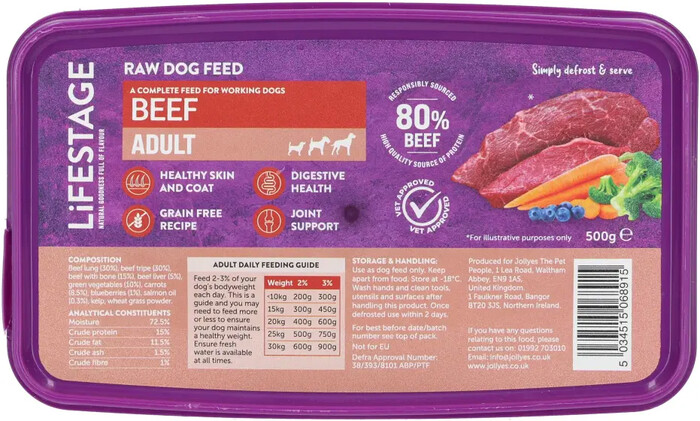

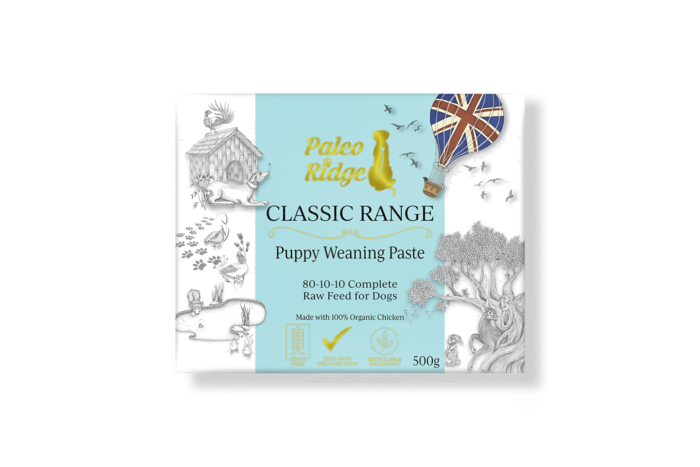
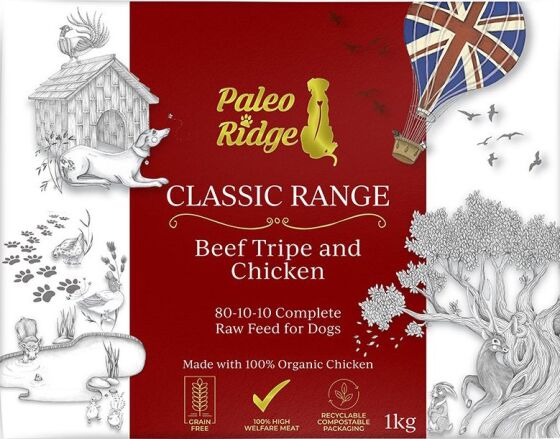
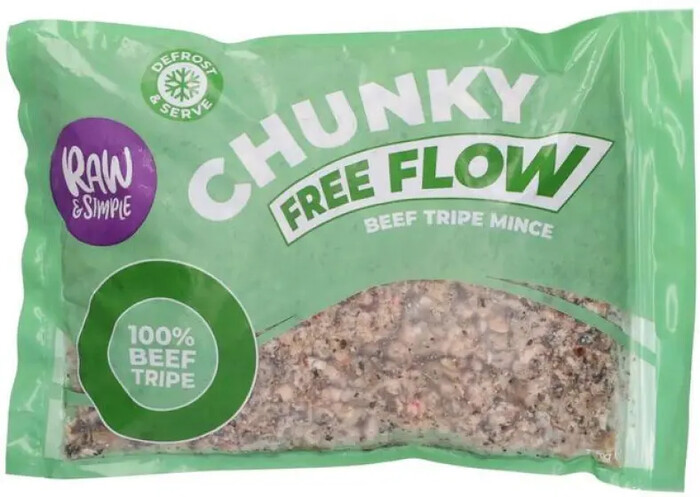
Pug Food Costs
Estimated based on a typical Pug weighing around 7 kg, using the food prices shown above.
Per day
£1.78 - £2.27
Per month
£53 - £68
Per year
£648 - £829
Pug Characteristics
The Pug needs a reasonable amount of daily exercise and picks up commands quickly and responds well to training. They make a great family dog and are fairly independent and manage alone time well. The coat doesn't need daily attention but benefits from regular grooming and isn't particularly heavy or light on shedding. Intelligence is a real hallmark of this breed, and they do best with plenty of mental enrichment alongside exercise.
Pug Pros & Cons
Pros
- Small and sturdy, they adapt well to flat or house living without any fuss
- Incredibly sociable and affectionate, with a playful, clownish personality that's hard to resist
- Their exercise needs are fairly modest, making them a good fit for less active owners
- Their short, smooth coat is easy to keep clean and tidy with minimal effort
Cons
- Brachycephalic health issues require careful management and regular veterinary attention
- Prone to separation anxiety, which can lead to destructive behaviour if left alone too long
- Can be stubborn and slow to house-train, so patience and consistency are key
- They shed quite heavily, particularly in spring and autumn, and benefit from daily brushing