Rhodesian Ridgeback
The Rhodesian Ridgeback is a distinguished large hound with a fascinating heritage rooted in southern Africa, where it was originally developed to track and hunt formidable game including lions.
This remarkable breeding legacy has shaped a dog of considerable intelligence, courage, and endurance.
25-34kg
Weight
Large
Size
12-14yrs
Lifespan
About the Rhodesian Ridgeback
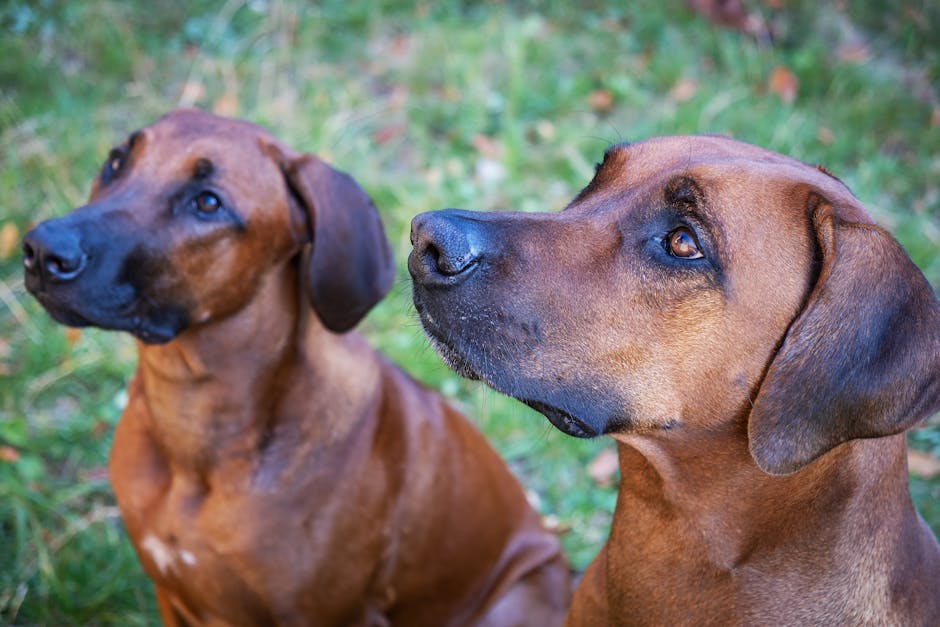
The breed's most distinctive feature is the characteristic ridge of hair running along its spine in the opposite direction to its short, sleek coat, creating a truly striking appearance. Standing 51–61 cm tall and weighing 25–34 kg, Ridgebacks display a muscular, athletic build that reflects their active nature. Temperamentally, they are loyal and affectionate with their families, showing particular patience and gentleness with children. However, they are reserved with strangers and possess an independent streak that demands experienced, consistent handling from an early age. Quick learners with a strong will, they thrive under firm but kind guidance. These energetic dogs require more than two hours of daily exercise and mental stimulation to stay content. With their short coat requiring minimal grooming, and a typical lifespan of 12–14 years, Ridgebacks make rewarding companions for active families or individuals who can provide structured training, proper socialisation, and the substantial exercise these impressive hounds genuinely need.
Rhodesian Ridgeback at a Glance
- Group
- Hound
- Size
- Large
- Weight
- 25–34 kg
- Height
- 51–61 cm
- Lifespan
- 12–14 years
- Coat
- Short
- Sheds
- Yes
- Exercise
- More than 2 hours per day
- Typical price
- £800–£1500
Rhodesian Ridgeback Temperament
The Rhodesian Ridgeback is a faithful, affectionate, and highly intelligent breed that forms deep bonds with its family. Gentle and tolerant at home, they are remarkably patient with children and enjoy being fully involved in family activities, though they are equally content to relax quietly when little is happening. Reserved and dignified with strangers, they are not aggressive but will not welcome unsolicited advances. Highly loyal, they make superb watchdogs with a deep, impressive bark. Ridgebacks are quick learners but have an independent streak, so consistent training and firm but kind handling from an early age is important. Active and athletic, they require substantial daily exercise.
Rhodesian Ridgeback Lifestyle
The Rhodesian Ridgeback is happiest in a spacious home and really benefits from a large, secure garden. Whether in the city or the countryside, they tend to settle well.
Dog Food for Rhodesian Ridgeback
Top-rated foods for Large breeds, ranked by FurScore. How we score →
Recommended Food for Rhodesian Ridgeback
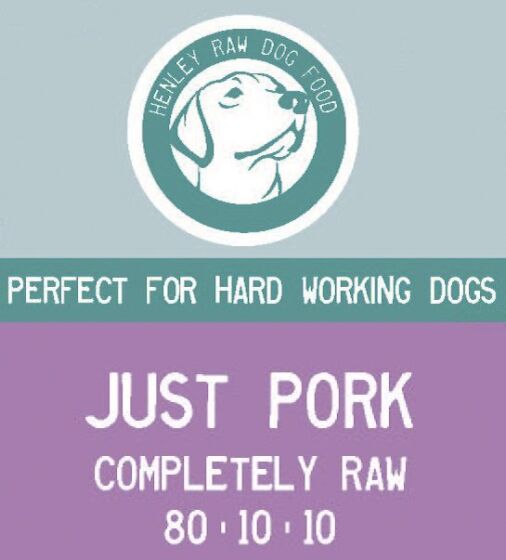
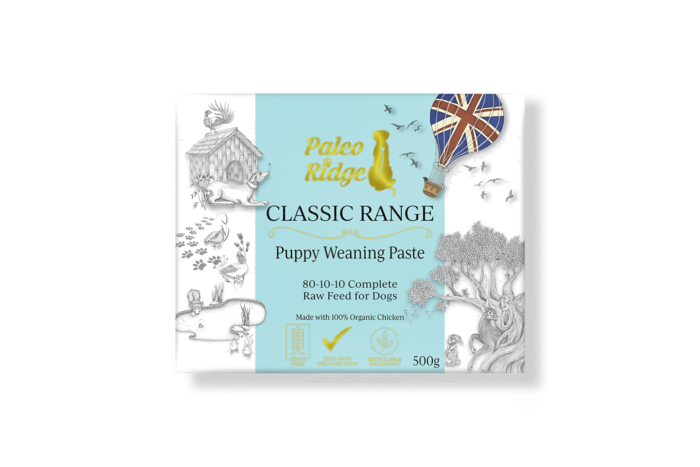
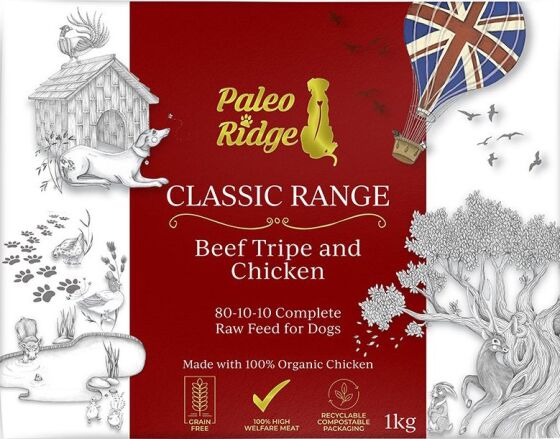
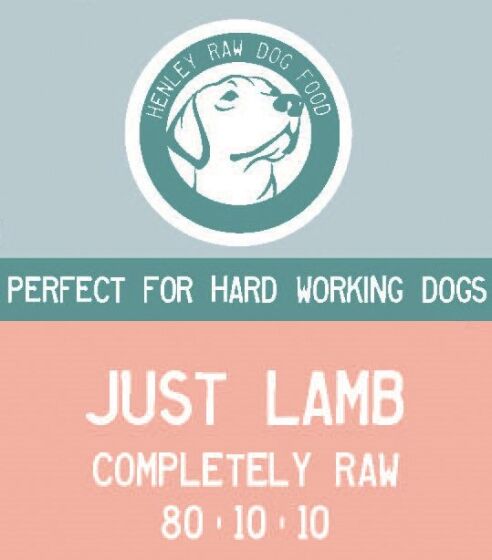

Rhodesian Ridgeback Food Costs
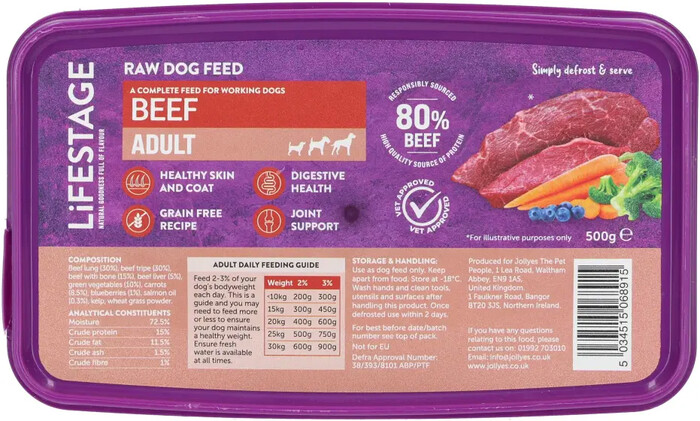
Estimated based on a typical Rhodesian Ridgeback weighing around 30 kg, using the food prices shown above.
Per day
£5.22 - £6.68
Per month
£157 - £200
Per year
£1906 - £2437
Rhodesian Ridgeback Characteristics
The Rhodesian Ridgeback needs substantial daily exercise and mental stimulation to stay settled and picks up new commands with very little repetition. They are one of the most child-friendly breeds you'll find, but can manage moderate periods alone. The coat benefits from a brush once or twice a week and sheds a fair amount but nothing unmanageable. Exceptionally clever, they thrive when given jobs to do or puzzles to solve.
Rhodesian Ridgeback Pros & Cons
Pros
- Extremely loyal and devoted, forming deep and lasting bonds with their family
- A natural watchdog that stays alert without being needlessly aggressive
- Gentle and patient around older children, making them a solid family choice
- Their short, sleek coat needs very little grooming and stays low-maintenance year-round
Cons
- Puppies are lively and boisterous, and benefit from firm, consistent guidance from the start
- Their size and energy levels make them better suited to families with older, more robust children
- Needs plenty of daily exercise and mental stimulation to stay content
- A strong prey drive means careful management around smaller animals is essential