Sealyham Terrier
The Sealyham Terrier is a distinctive small breed with a striking white coat and sturdy, compact build.
Originally developed in Wales for hunting badgers, otters, and foxes, these resourceful dogs combine working terrier tenacity with a notably calm and adaptable temperament.
25-34kg
Weight
Small
Size
12-14yrs
Lifespan

About the Sealyham Terrier
Their dense, wiry double coat sheds minimally, making them a manageable choice for those concerned about allergens. Standing 51–61 cm tall and weighing 25–34 kg, Sealyhams are characterful and deeply devoted companions that return their family's affection with genuine warmth and enthusiasm. Intelligent and confident, they make excellent watchdogs and will alert owners to anything unusual, yet they retain the independent streak typical of terriers, requiring consistent and positive training. Their moderate exercise needs, around one hour daily, suit active families and individuals who enjoy interactive walks and games. Though generally good with children they know, their natural prey drive means early socialisation is important. Sealyhams thrive when given mental and physical stimulation and adapt well to various living situations, from town apartments to rural homes. However, as a vulnerable native breed with low population numbers, they remain rare and often require joining waiting lists with reputable breeders. Prospective owners should be experienced with terrier traits and prepared to offer patient guidance alongside firm, consistent boundaries throughout their dog's 12–14 year lifespan.
Sealyham Terrier at a Glance
⚠ Vulnerable Native Breed
The Sealyham Terrier is listed as a Vulnerable Native Breed by the Royal Kennel Club, meaning fewer than 300 puppies of this breed are registered each year in the UK. These are British and Irish breeds at risk of disappearing simply because not enough people know they exist. Choosing one of these breeds helps keep an important part of our heritage alive.
- Group
- Terrier
- Size
- Small
- Weight
- 25–34 kg
- Height
- 51–61 cm
- Lifespan
- 12–14 years
- Coat
- Long
- Sheds
- No
- Exercise
- Up to 1 hour per day
- Typical price
- £800–£1500
Sealyham Terrier Temperament
The Sealyham Terrier is a characterful, devoted, and highly individual breed that makes a deeply satisfying companion both indoors and out. Affectionate and joyful, they return the love of their family with genuine warmth and enthusiasm, yet they have an excellent memory for both friends and those who have caused offence. They are confident watchdogs and will alert their owners to any unusual activity. Loyal and adaptable, they are well suited to family life and generally get along with children they know. Training should be consistent and positive, as they have a typically terrier independent streak. Good health and spirited character are hallmarks of a well-bred Sealyham.
Sealyham Terrier Lifestyle
The Sealyham Terrier suits a modest-sized house and is well suited to a home with a small to medium garden. Whether in the city or the countryside, they tend to settle well.
Dog Food for Sealyham Terrier
Top-rated foods for Small breeds, ranked by FurScore. How we score →
Recommended Food for Sealyham Terrier


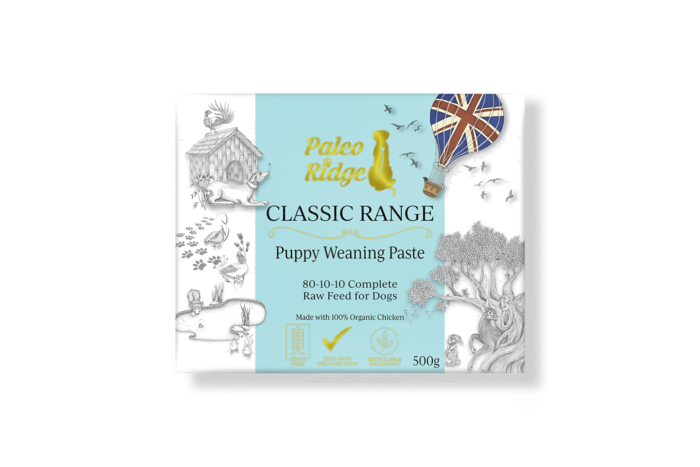



Sealyham Terrier Food Costs
Estimated based on a typical Sealyham Terrier weighing around 30 kg, using the food prices shown above.
Per day
£5.22 - £6.68
Per month
£157 - £200
Per year
£1906 - £2437
Sealyham Terrier Characteristics
The Sealyham Terrier needs substantial daily exercise and mental stimulation to stay settled and responds brilliantly to positive reinforcement. They love children and tend to get on brilliantly with them, but are fine alone for moderate amounts of time. The coat is fairly easy to maintain with regular brushing and sheds a fair amount but nothing unmanageable. They are a highly intelligent breed that needs mental stimulation as well as physical exercise.
Sealyham Terrier Pros & Cons
Pros
- Loyal and affectionate with their family, forming warm and close bonds
- Calmer and more even-tempered than many other terrier breeds
- Their low-shedding double coat makes them a practical option for allergy sufferers
- Trainable and responsive when positive reinforcement is used consistently
Cons
- A vulnerable breed with limited puppy availability and correspondingly high prices
- Early socialisation and consistent training are important to bring out the best in them
- Can suffer from separation anxiety if left alone for long periods without company
- A strong prey drive means off-lead exercise requires care and good recall training