Skye Terrier
The Skye Terrier is a small but commanding breed that commands attention with its elegant, flowing coat and distinctly elongated body.
Originally developed on the Isle of Skye in Scotland, these dogs were bred to hunt vermin and pursue quarry underground, and that tenacious terrier spirit remains evident in their character today.
9-11kg
Weight
Small
Size
12-14yrs
Lifespan
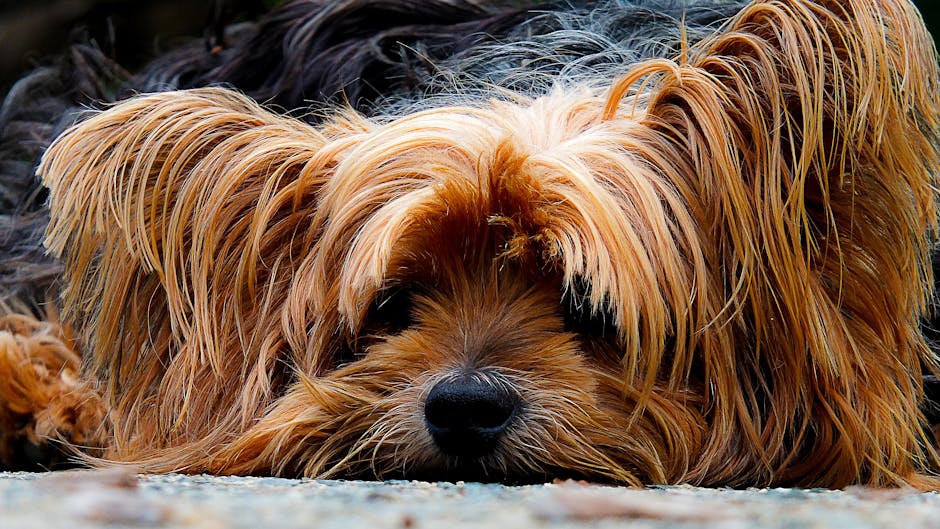
About the Skye Terrier
Standing 23–25 cm tall and weighing 9–11 kg, Skye Terriers combine a sturdy, muscular build with a dignified carriage that belies their modest size. Beneath their striking appearance lies a loyal and devoted companion. They form exceptionally close bonds with their families, often attaching most strongly to one person, and thrive best as house dogs where they can remain close to their owner. Skye Terriers are naturally cautious and reserved, requiring patient, early socialisation to become confident around strangers. Their independent nature means consistent, positive training is essential. These alert watchdogs are quietly confident in familiar surroundings and make excellent companions for patient, understanding owners who can commit to their grooming needs and daily exercise of up to an hour. With a lifespan of 12–14 years, they reward dedicated owners with unwavering companionship and spirited personality.
Skye Terrier at a Glance
⚠ Vulnerable Native Breed
The Skye Terrier is listed as a Vulnerable Native Breed by the Royal Kennel Club, meaning fewer than 300 puppies of this breed are registered each year in the UK. These are British and Irish breeds at risk of disappearing simply because not enough people know they exist. Choosing one of these breeds helps keep an important part of our heritage alive.
- Group
- Terrier
- Size
- Small
- Weight
- 9–11 kg
- Height
- 23–25 cm
- Lifespan
- 12–14 years
- Coat
- Long
- Sheds
- Yes
- Exercise
- Up to 1 hour per day
- Typical price
- £500–£1500
Skye Terrier Temperament
The Skye Terrier is a loyal, dignified, and deeply devoted breed that forms an exceptionally close bond with its family, often attaching most strongly to one particular person. Cautious and reserved by nature, they require patient and thorough socialisation from an early age to ensure they are comfortable with strangers and unfamiliar situations. They are best suited to life as a house dog, preferring to be close to their owner rather than kennelled outside. Their independent and sometimes stubborn character means training must be approached with consistency, patience, and positive reinforcement. They are alert watchdogs and quietly confident in their own surroundings. A devoted companion for an understanding, committed owner.
Skye Terrier Lifestyle
The Skye Terrier adapts well to life in a smaller house and does well with some outdoor space, even if it isn't large. They are comfortable in either a town or rural environment.
Dog Food for Skye Terrier
Top-rated foods for Small breeds, ranked by FurScore. How we score →
Recommended Food for Skye Terrier


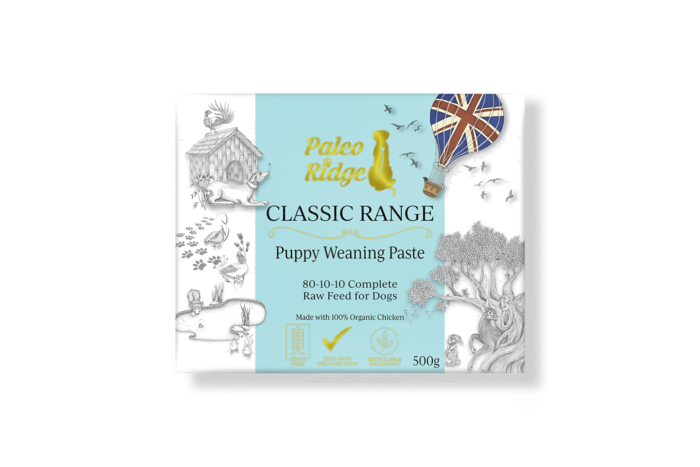

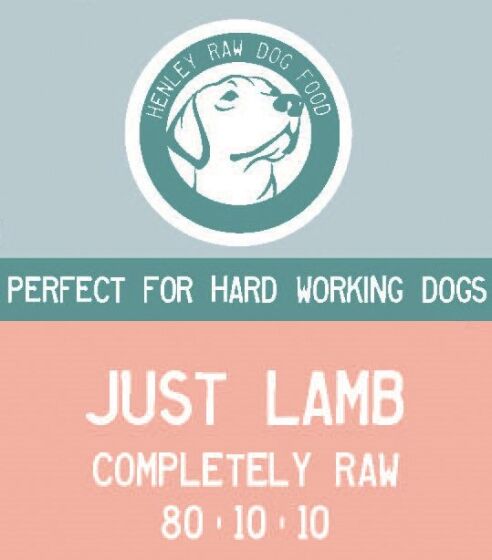

Skye Terrier Food Costs
Estimated based on a typical Skye Terrier weighing around 10 kg, using the food prices shown above.
Per day
£2.32 - £2.97
Per month
£70 - £89
Per year
£847 - £1083
Skye Terrier Characteristics
The Skye Terrier needs substantial daily exercise and mental stimulation to stay settled and responds brilliantly to positive reinforcement. They do well with children in the right setting and are content being left alone for moderate periods. The coat is fairly high maintenance and needs consistent upkeep and sheds a fair amount but nothing unmanageable. They are a highly intelligent breed that needs mental stimulation as well as physical exercise.
Skye Terrier Pros & Cons
Pros
- An elegant and regal-looking breed with a truly distinctive appearance
- Forms a deep, loyal bond with their primary owner, ideal for dedicated, attentive handlers
- Generally calmer than many other terriers while still retaining a spirited character
- A reliable watchdog with an alert but measured bark
Cons
- Their long, flowing coat demands daily care and regular professional grooming
- Can develop separation anxiety if left alone too regularly or for too long
- A stubborn streak means firm yet patient training is needed from the start
- A strong prey drive calls for secure fencing and careful management off the lead