Toy Poodle
# About the Toy Poodle The Toy Poodle represents the smallest member of the Poodle family, originating from Germany and France where they were originally developed for hunting tasks.
Today, these elegant companions have become beloved pets throughout the UK and beyond, thanks to their exceptional intelligence and affectionate nature.
3-6kg
Weight
Small
Size
14-15yrs
Lifespan
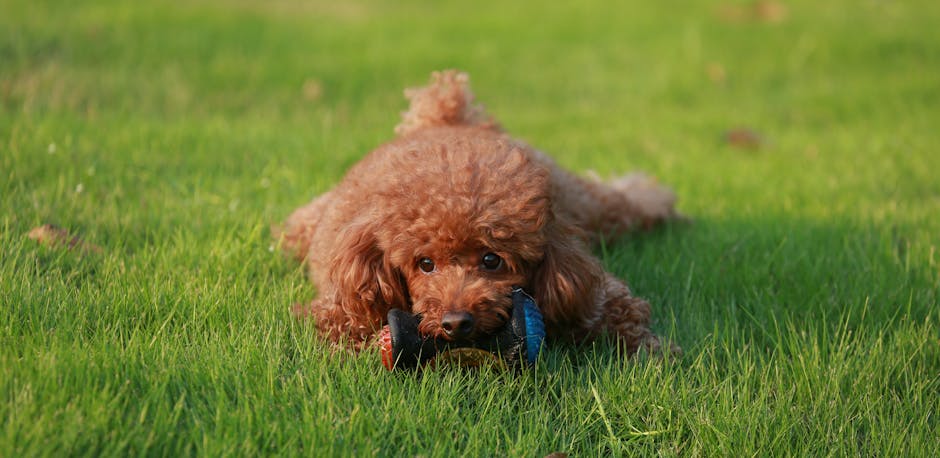
About the Toy Poodle
Standing just 24–28 cm tall and weighing between 3–6 kg, Toy Poodles pack remarkable character into a compact frame that suits modern living, whether in city flats or country homes. Known for their distinctive curly, non-shedding coat of medium length, Toy Poodles are an excellent choice for allergy sufferers. Their bright, devoted temperament makes them particularly rewarding companions who form close bonds with their families and generally get along well with children and other pets. Highly trainable and eager to please, they excel at obedience and tricks when taught using reward-based methods. Despite their small stature, Toy Poodles require up to an hour of daily exercise and consistent mental stimulation. Without adequate activity, they can become anxious or vocal. Sensitive to their owner's emotions, they thrive in homes where affection is abundant and companionship is constant. Their remarkable combination of intelligence, loyalty, and adaptability makes them an ideal pet for dedicated owners willing to invest time in training and engagement.
Toy Poodle at a Glance
- Group
- Utility
- Size
- Small
- Weight
- 3–6 kg
- Height
- 24–28 cm
- Lifespan
- 14–15 years
- Coat
- Medium
- Sheds
- No
- Exercise
- Up to 1 hour per day
- Origin
- Germany, France
- Colours
- Black, White, Cream, Sable, Black & White, Blue, Grey, Silver, Brown, Red, Apricot
- Typical price
- £900–£1900
Toy Poodle Temperament
The Toy Poodle is a bright, affectionate, and lively companion breed that packs remarkable intelligence and character into a very small frame. Devoted and sociable, they form close bonds with their families and generally get on well with children and other pets when properly introduced. Alert and observant, they are quick to notice changes in their environment and will sound a warning when needed. Their high trainability makes them enthusiastic participants in obedience and tricks, responding best to reward-based methods. They need daily exercise and mental stimulation despite their size, and without both can become anxious or vocal. Sensitive to their owner's mood, a Toy Poodle is a deeply rewarding and endlessly engaging companion.
Toy Poodle Lifestyle
The Toy Poodle can live happily in a flat or apartment and benefits from access to a small or medium-sized garden. Whether in the city or the countryside, they tend to settle well.
Dog Food for Toy Poodle
Top-rated foods for Small breeds, ranked by FurScore. How we score →
Nutrition & Diet
Poodles can be incredibly sensitive on many different levels, including food. It is vital to always choose a high-quality diet developed from natural ingredients. Poodles can show signs of food intolerance or sensitivity, especially with formulas with gluten in them. Switching to gluten-free diets developed with sensitive digestive systems in mind can prove beneficial to the overall health of your Poodle. Hypoallergenic Digest Adult with rice, lamb and salmon is a great choice if you want to switch your dog’s diet. Always remember to introduce the new food gradually, mixing the new food with your dog’s current diet. Whenever your dog shows any signs of food intolerance or sensitivity even after switching to a gluten-free formula, elimination diet should be introduced. You should feed your dog a new food source of protein and carbohydrates for 12 weeks to see if symptoms subside or disappear. Hypoallergenic Skin& Coat . Poodles are prone to gastric dilatation-volvulus which occurs when twisting of the stomach causes a build-up of excess gasses or is triggered by such occurrence. The risk of GDV is increased with fast eating or having your dog’s bowl raised off the ground. Using a slow-feeding bowl, can decrease the chances of GDV occurring.
Recommended Food for Toy Poodle
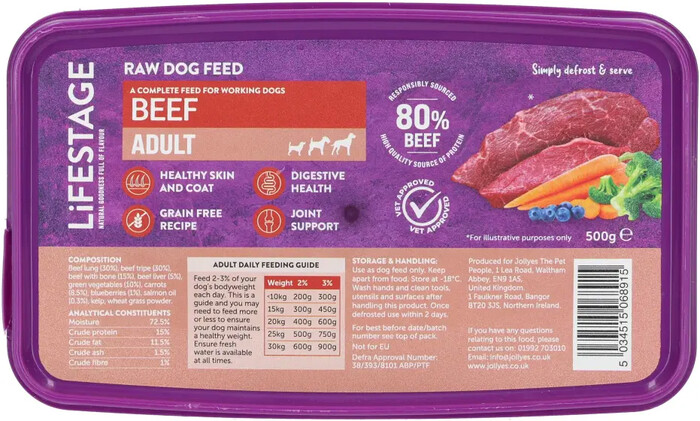
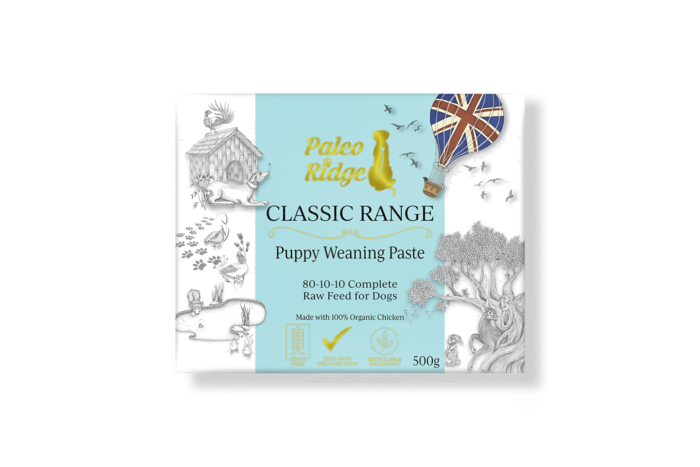
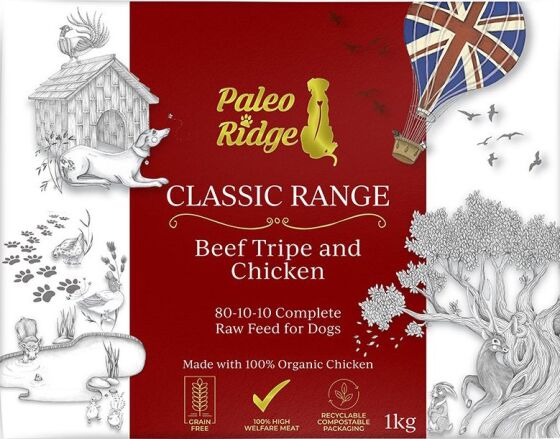
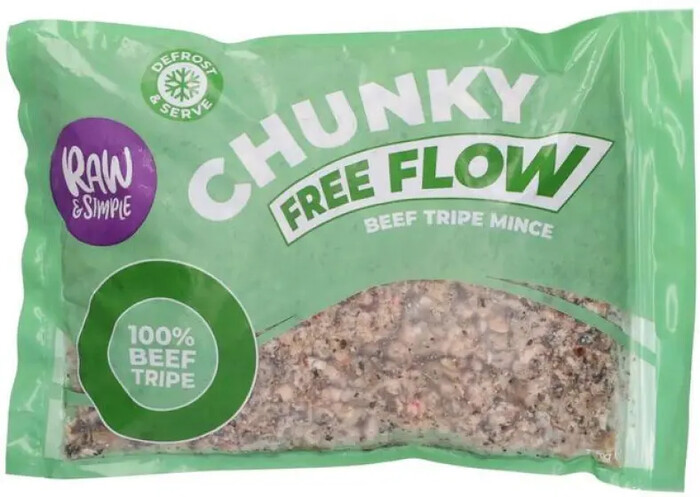
Toy Poodle Food Costs
Estimated based on a typical Toy Poodle weighing around 5 kg, using the food prices shown above.
Per day
£1.27 - £1.63
Per month
£38 - £49
Per year
£465 - £595
Toy Poodle Characteristics
The Toy Poodle benefits from regular walks and some off-lead time and is easy to train. They are one of the most child-friendly breeds you'll find and are among the more independent breeds and cope well without constant company. The coat needs proper grooming commitment to stay in top shape, but sheds very little, which many owners appreciate. Exceptionally clever, they thrive when given jobs to do or puzzles to solve.
Toy Poodle Pros & Cons
Pros
- Their hypoallergenic coat makes them a practical choice for allergy-sensitive households
- Highly intelligent and quick to learn, picking up new commands with ease
- Equally at home in a flat or the countryside, adapting well to different lifestyles
- Talented and enthusiastic performers in agility and obedience, despite their compact size
Cons
- Their curly coat needs professional grooming every six to eight weeks to stay in good condition
- Prone to separation anxiety and copes best with regular company throughout the day
- Can be susceptible to several hereditary health conditions that are worth discussing with a breeder
- Without proper boundaries from the start, they can develop demanding or bossy behaviours