The Short Answer
Dog food ingredient lists follow regulatory conventions that can be misleading at face value: fresh chicken listed first contains mostly water, so a food with dried chicken meal further down may actually deliver more protein. Named, specific ingredients are preferable to vague catch-all terms like "meat and animal derivatives", and natural preservatives such as tocopherols (vitamin E) signal a higher-quality formulation than artificial alternatives like BHA or BHT. Reading the analytical constituents alongside the ingredient list gives you the fullest picture of both nutritional profile and source quality.
The ingredient list on a bag of dog food is written for regulatory compliance, not for clarity. Understanding the most commonly appearing ingredients means you can assess any food quickly, without needing to research each item from scratch every time.
Protein Sources
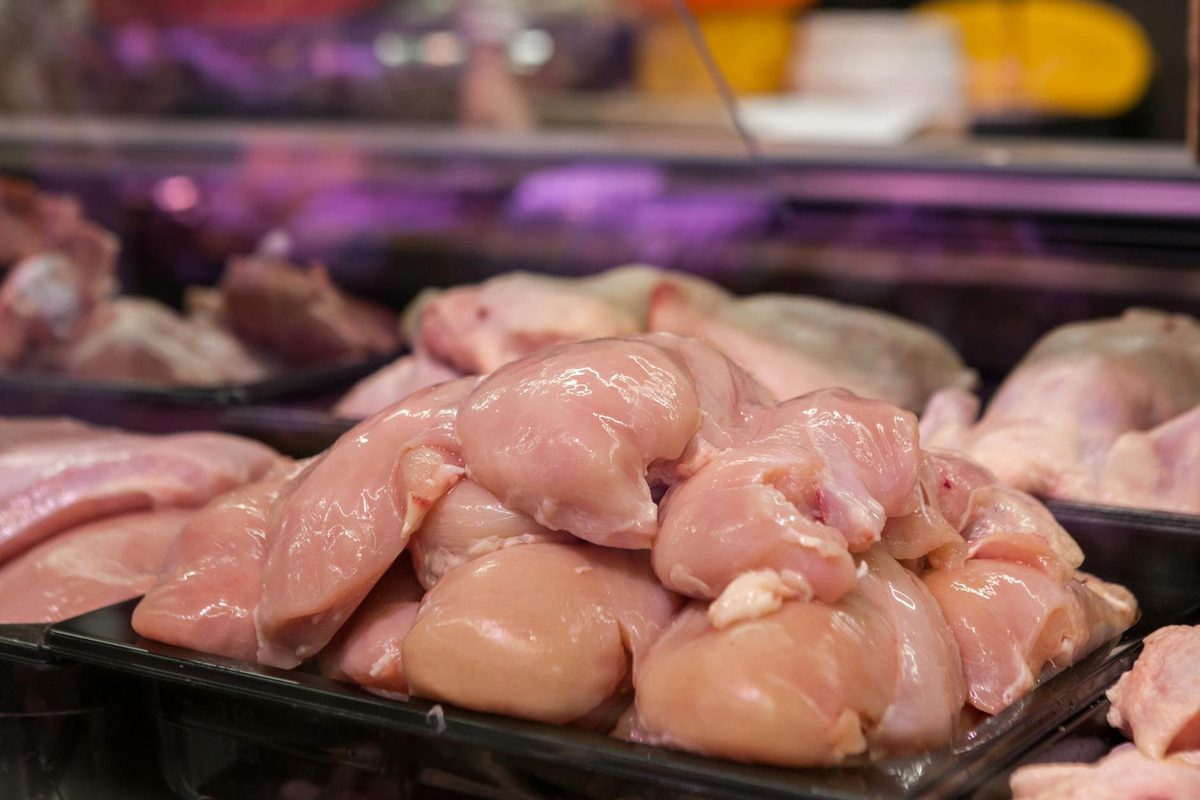
Fresh chicken / fresh salmon / fresh beef: These are whole meat ingredients listed at their pre-cooked weight, which is mostly water. A food listing fresh chicken first may contain less actual protein than one listing dried chicken meal further down, once moisture is removed. Both are genuine, quality protein sources.
Chicken meal / salmon meal / lamb meal: Dried, concentrated protein sources from which moisture has been removed. Because they are already dried, their position in the ingredient list more accurately reflects their contribution to the finished food. Chicken meal contains roughly 4 to 5 times more protein by weight than fresh chicken at equivalent list positions.
Meat and animal derivatives: This is a catch-all category that legally includes any part of any permitted animal species. It is not inherently harmful, but it is deliberately vague. Premium foods avoid it in favour of named sources.
Chicken by-products / poultry by-products: Parts of the animal not consumed by humans — organs, carcass, feet. These are not necessarily low quality; organs in particular are nutrient-dense. The issue is the lack of specificity, which makes consistent quality harder to guarantee.
Carbohydrate Sources
Brown rice / white rice: Easily digestible carbohydrates and common in foods marketed as good for sensitive stomachs. Brown rice retains more fibre and nutrients than white, but both are appropriate ingredients.
Sweet potato: A common grain-free carbohydrate source. Provides fibre, potassium, and beta-carotene. No nutritional red flags, though questions about high legume content in grain-free diets (see DCM investigation) are worth noting.
Peas / lentils / chickpeas: Also common grain-free carbohydrate sources. High in protein and fibre. Currently under scrutiny due to their association with some DCM cases in dogs when present in high quantities as primary ingredients.
Maize / corn: A controversial ingredient in the dog food world, often cited as a cheap filler. It is digestible for dogs and provides carbohydrate and some protein, but offers less nutritional value than rice or oats at comparable cost. Its presence is not dangerous but it is often an indicator of a lower-cost formulation.
Oats: A good source of soluble fibre and associated with digestive health. Generally regarded as a higher-quality grain ingredient.
Fats and Oils
Chicken fat / salmon oil: Named fat sources that add palatability and provide essential fatty acids. Salmon oil specifically is a good source of omega-3s that support coat and skin health.
Sunflower oil: A source of linoleic acid (omega-6). Present in many foods and not harmful, but omega-6 to omega-3 balance matters — foods high in omega-6 without sufficient omega-3 can contribute to inflammation.
Additives
Tocopherols (vitamin E): A natural preservative. Its presence is a positive indicator — it means the manufacturer is avoiding artificial preservatives.
BHA / BHT / ethoxyquin: Artificial preservatives. Not definitively harmful at the levels used in pet food, but better quality manufacturers avoid them. Their presence is a mild negative quality indicator.
Chicory / fructooligosaccharides (FOS): Prebiotic fibres that support gut bacteria. A positive addition, particularly in foods for dogs with sensitive digestion.
Taurine: An amino acid important for heart function, now added to some grain-free formulas following the DCM investigation.
What to Prioritise
Reading the ingredient list, prioritise:
- Named protein source in position one
- Specific rather than vague ingredient declarations throughout
- Natural rather than artificial preservatives
- Absence of artificial colours
The analytical constituents (protein, fat, fibre, moisture) tell you the nutritional profile; the ingredient list tells you the quality of the sources. Both matter.
Furra's FurScore synthesises these assessments for every food in our directory so you can compare on a consistent basis at furra.co.uk.

Find the best food for your dog
Browse our independent, algorithm-based ratings for every dog food sold in the UK.
Browse Dog Foods →About the Author

Dog Trainer & Co-founder, Furra
Graham is a professional dog trainer and co-founder of Furra, with over ten years of experience living and working with dogs. His journey began with two remarkable Shar Pei, Bane and Ivy, who shaped everything he knows about dog welfare, nutrition, and what it means to truly care for a dog. Both are dearly missed. Today he shares his life with Stella, a Goldador who goes everywhere with him, including up quite a few mountains. The frustration of navigating a pet food market full of vague claims and poor transparency drove Graham to build Furra: a platform that gives dog owners honest, data-driven information so they can make genuinely better choices for their dogs.
View all articles →