
The Short Answer
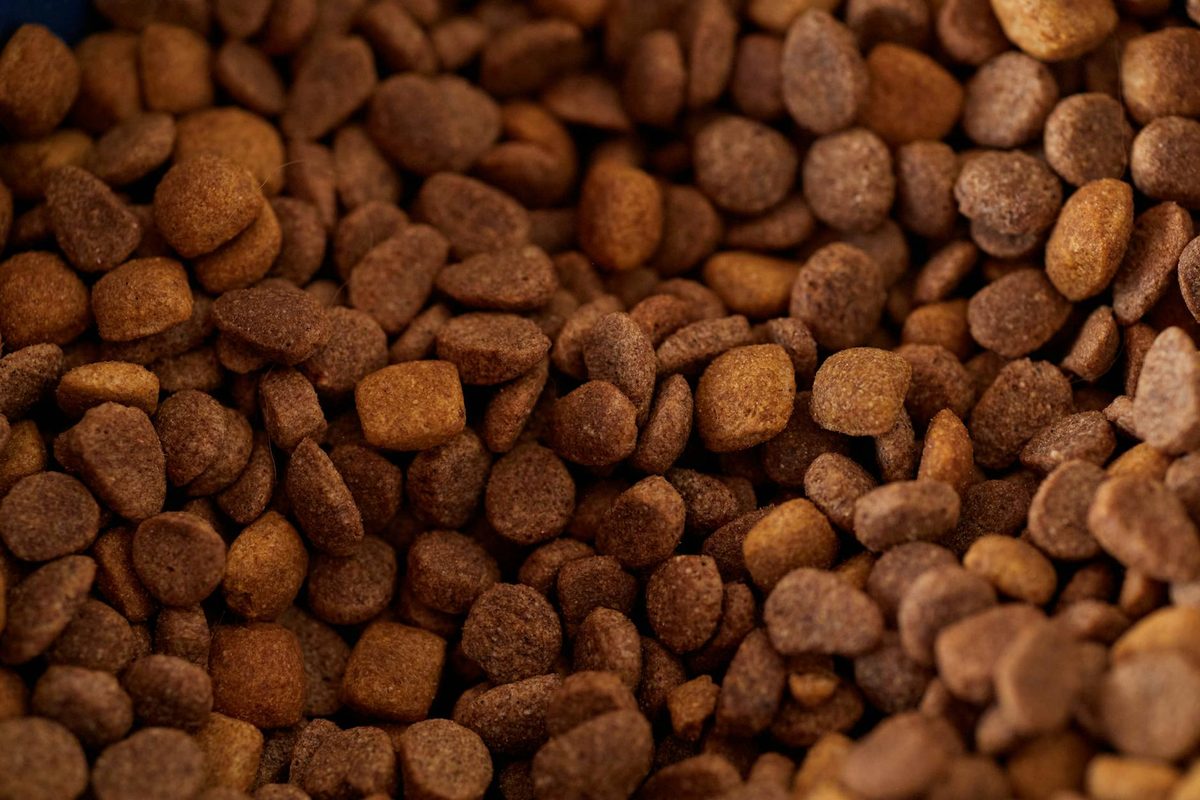
The safest way to switch dog food is a gradual 7 to 10 day transition: start with 25% new food and 75% old food for the first two days, move to a 50/50 split by days three and four, then 75% new food by days five and six, before completing the switch from day seven onwards. This gives the digestive microbiome time to adjust to the new formula without the fermentation and irritation that causes loose stools and flatulence. Dogs with a sensitive stomach benefit from extending each stage by a day or two, and mixing the foods together in the bowl prevents dogs from picking out the familiar food. If digestive issues persist beyond two weeks on the new food, the formula itself may not suit your dog rather than the transition pace being the problem.
A sudden change in dog food almost always causes digestive upset. Loose stools, flatulence, and reduced appetite are the most common results, and while they are not dangerous in a healthy dog, they are unpleasant for everyone involved. The good news is that a gradual transition avoids most of this completely.
Why Dogs React to Food Changes
A dog's digestive system is home to billions of bacteria that are calibrated to break down the specific food being eaten. These bacteria change and adapt over time, but they cannot adjust overnight. A sudden switch from one formula to another gives the digestive microbiome no time to recalibrate, which produces the fermentation and irritation that causes digestive symptoms.
This is not a sign that the new food is bad or wrong for your dog. It is a sign that the transition was too fast.
The Standard Transition Method
Spread the transition over 7 to 10 days:
- Days 1 to 2: 25% new food, 75% old food
- Days 3 to 4: 50% new food, 50% old food
- Days 5 to 6: 75% new food, 25% old food
- Days 7 onwards: 100% new food
Mix the foods together in the bowl rather than serving them separately. Some dogs will eat around the new food if they can identify and pick out the old food.
If your dog has a sensitive stomach or a history of digestive issues, extend each stage by a day or two. A slower transition costs nothing except time and avoids a lot of discomfort.
If Your Dog Refuses the New Food
Some dogs, particularly those who have been on the same food for a long time, resist any change. If your dog is refusing the new food during the transition:
- Warm the food slightly to increase its aroma (this is often more effective than it sounds)
- Start with a lower ratio — 10% new food to 90% old food — and increase more gradually
- Add a small amount of low-sodium broth as a topping to make the new food more palatable during the initial stages
Do not use cooked chicken, cheese, or strong flavourings as a long-term crutch — these work in the short term but can create dogs who will only eat when food is dressed up.
Digestive Symptoms During Transition
Some loose stools during the first few days of a transition are normal. If symptoms are mild and your dog is otherwise well (energetic, drinking normally, no vomiting), continue the transition at a slower pace.
Stop the transition and contact your vet if:
- Diarrhoea is severe or contains blood
- Your dog is vomiting repeatedly
- Your dog stops eating entirely for more than 24 hours
- You notice significant lethargy alongside digestive symptoms
These signs suggest something beyond a normal transition response and warrant a professional assessment.
When the New Food Does Not Agree
If digestive issues persist beyond two weeks on the new food, the food itself may not suit your dog rather than the transition being the problem. Certain proteins, fibre sources, and fat levels affect dogs differently. Return to the old food temporarily and consult your vet before trying again.
Some dogs do better on foods with higher digestibility — foods with named, single-source proteins and limited ingredient lists tend to be easier on sensitive digestive systems.
After the Transition
Give the new food 4 to 6 weeks before assessing whether it is the right choice long-term. Coat condition, energy levels, stool quality, and weight are the key indicators. A high-quality food should produce firm, moderate-volume stools, a glossy coat, and consistent energy levels.
Find independently rated options for sensitive stomachs and other specific needs at furra.co.uk.
Find the best food for your dog
Browse our independent, algorithm-based ratings for every dog food sold in the UK.
Browse Dog Foods →About the Author

Dog Trainer & Co-founder, Furra
Graham is a professional dog trainer and co-founder of Furra, with over ten years of experience living and working with dogs. His journey began with two remarkable Shar Pei, Bane and Ivy, who shaped everything he knows about dog welfare, nutrition, and what it means to truly care for a dog. Both are dearly missed. Today he shares his life with Stella, a Goldador who goes everywhere with him, including up quite a few mountains. The frustration of navigating a pet food market full of vague claims and poor transparency drove Graham to build Furra: a platform that gives dog owners honest, data-driven information so they can make genuinely better choices for their dogs.
View all articles →