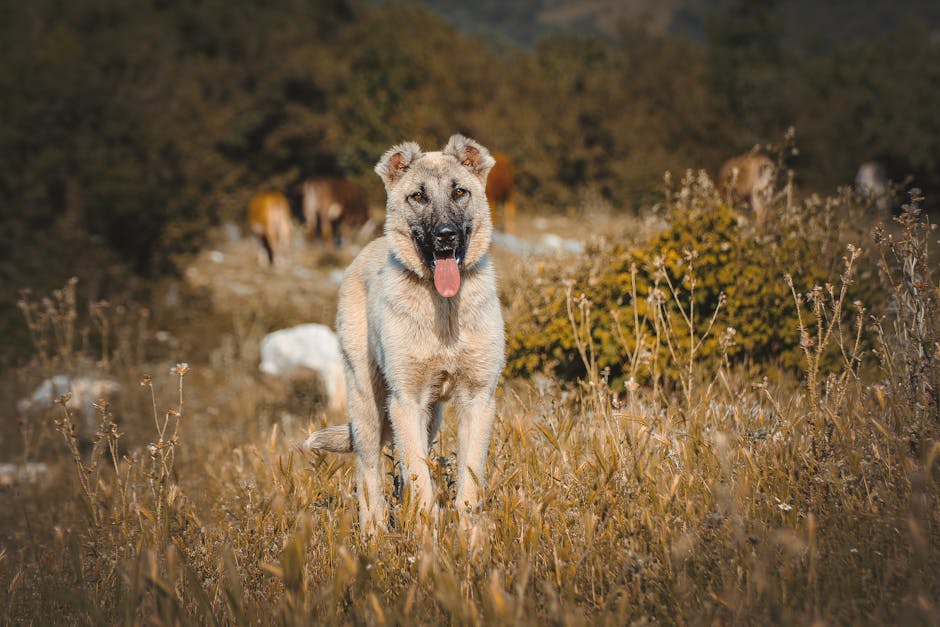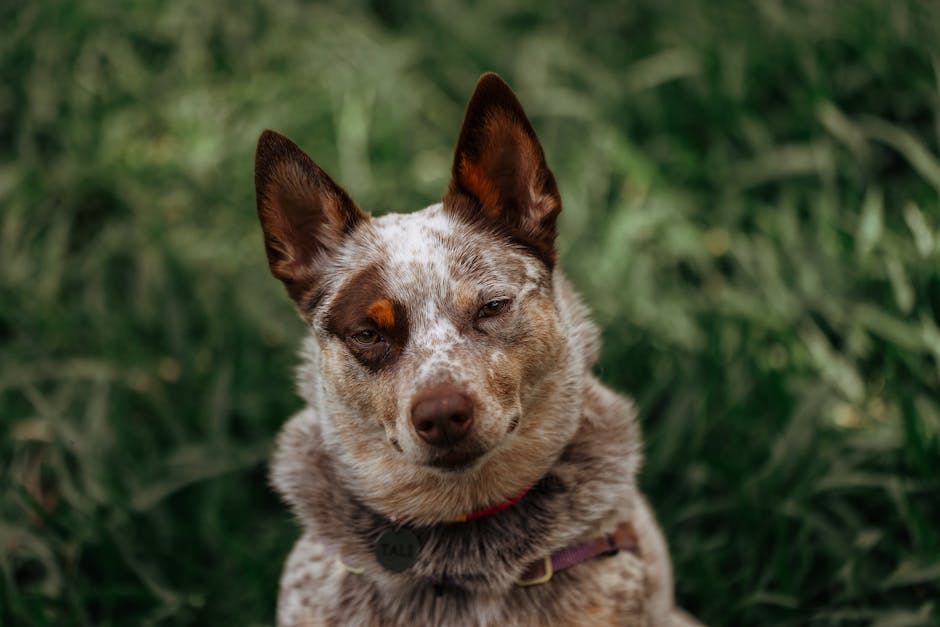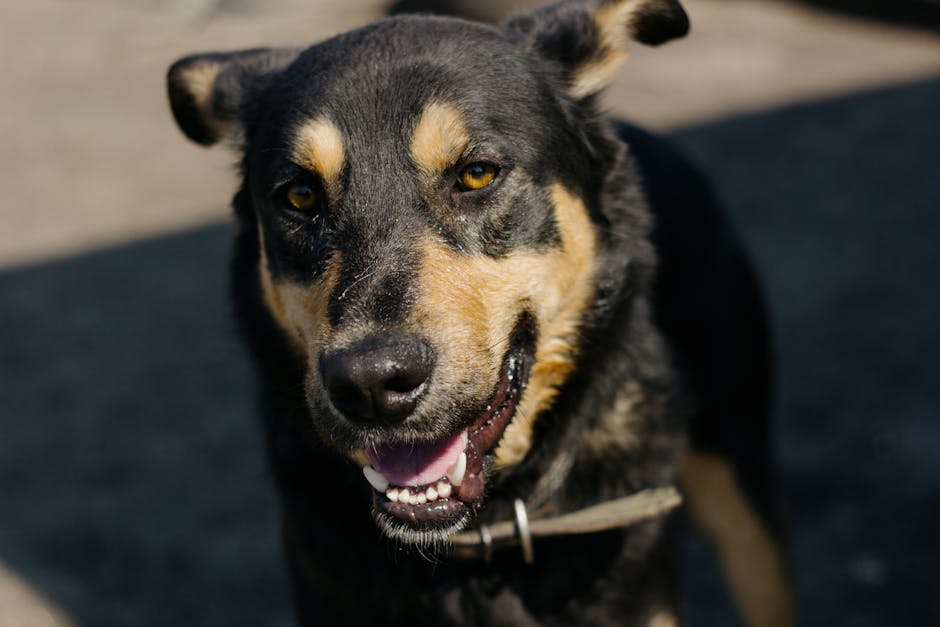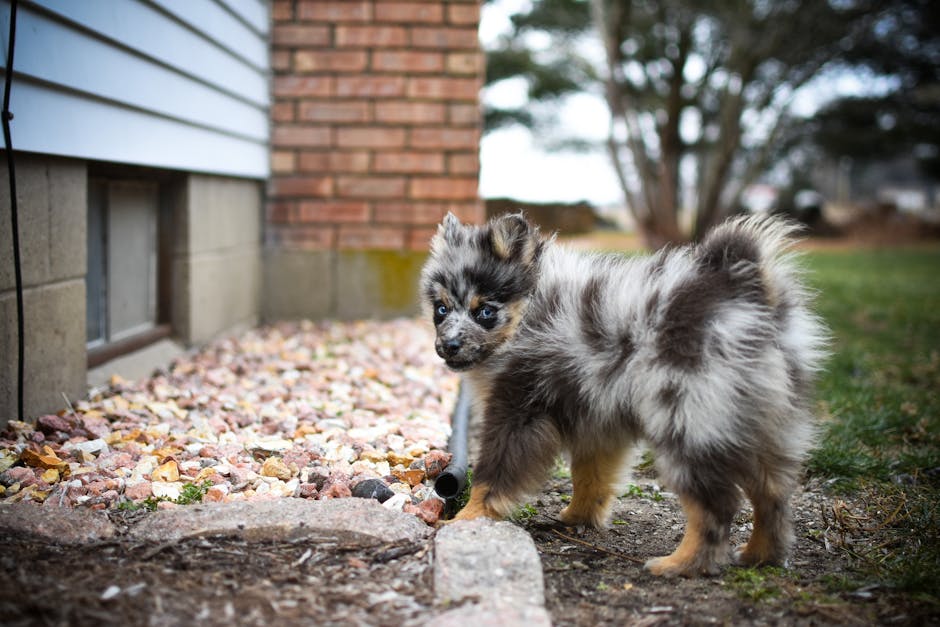
German Shepherd
The German Shepherd is one of the world's most recognisable and versatile working breeds.
Developed in Germany during the late nineteenth century, it was created by standardising the best herding and farm dogs of the time into a single, consistent breed.
25-34kg
Weight
Large
Size
12-14yrs
Lifespan
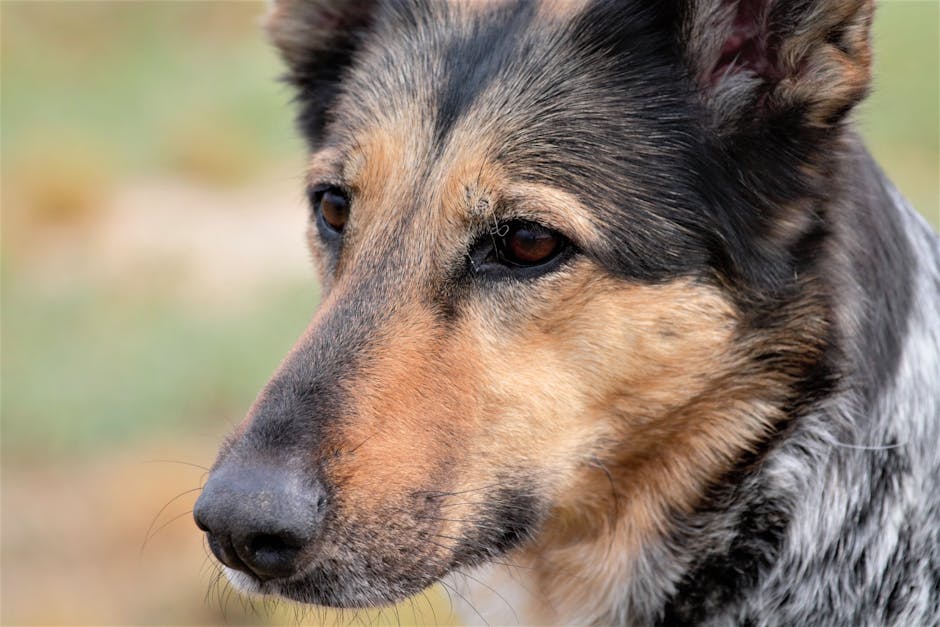
About the German Shepherd
Since its inception, German Shepherds have excelled in virtually every working role imaginable, from police and military service to search and rescue, guide dog work, and competitive sport. Their intelligence, trainability and adaptability have made them one of the most widely used working breeds globally. These large dogs stand 51–61 centimetres at the shoulder and weigh 25–34 kilograms, with a strong, muscular build and noble head. Their short coat sheds considerably, particularly during seasonal changes, and benefits from regular brushing. In terms of temperament, German Shepherds are loyal, courageous and deeply devoted to their families, naturally watchful and protective without being unnecessarily aggressive. They are highly intelligent, eager to learn and thrive when given a purpose or role. These active, energetic dogs require more than two hours of daily exercise and substantial mental stimulation to remain content and well-balanced. Early socialisation ensures they develop into confident, well-mannered companions, and they generally integrate well with children when raised alongside them.
German Shepherd at a Glance
- Group
- Pastoral
- Size
- Large
- Weight
- 25–34 kg
- Height
- 51–61 cm
- Lifespan
- 12–14 years
- Coat
- Short
- Sheds
- Yes
- Exercise
- More than 2 hours per day
- Origin
- Germany
- Colours
- Black, Black & Tan, Sable, Red & Black, Grey, Black & Silver
- Typical price
- £800–£1500
German Shepherd Temperament
The German Shepherd is one of the most versatile and intelligent breeds in the world, renowned for its loyalty, courage and trainability. It is deeply devoted to its family and forms a strong bond with its owners, often acting as a natural protector of the home. Alert and watchful, the German Shepherd is an excellent guard dog but should never be nervous or aggressive without reason. It is obedient, eager to learn and thrives when given a purpose. This is an active, energetic breed that needs substantial daily exercise and mental stimulation. It is generally good with children when raised alongside them, and early socialisation ensures confidence and good manners around strangers.
German Shepherd Lifestyle
The German Shepherd is best suited to a larger home and does best with a large outdoor space to burn off energy. They suit both urban and rural settings.
Dog Food for German Shepherd
Top-rated foods for Large breeds, ranked by FurScore. How we score →
Nutrition & Diet
Since German Shepherds are predisposed to a variety of skeletal disorders, a well-balanced diet is essential to ensure proper growth and health of the animal. German Shepherds should be fed with a diet designed for large breeds (e.g. ), but it is important to monitor energy levels on all stages of growth. Calcium and phosphorus levels have to be properly balanced since they greatly influence the skeletal system. The supplementation of omega-3 and omega-6 fatty acids can aid in decreasing the symptoms of osteoarthritis in German Shepherds. Supplements containing chondroitin and glucosamine can be beneficial in support of this breed’s skeletal conditions ().
Recommended Food for German Shepherd
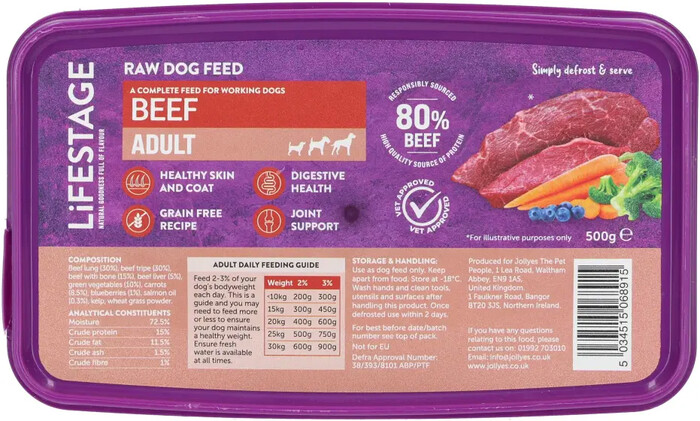

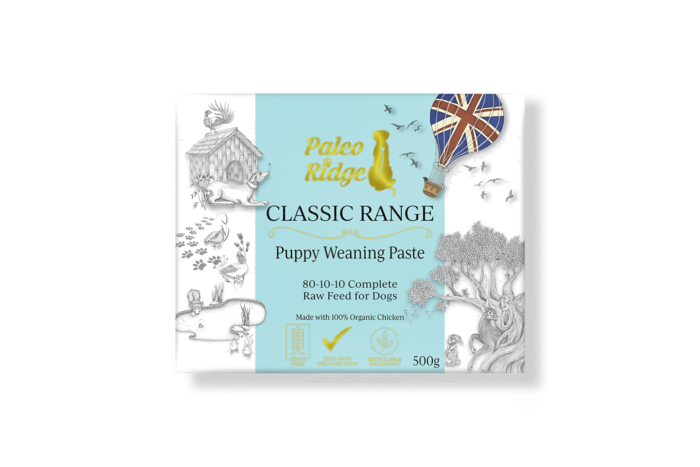

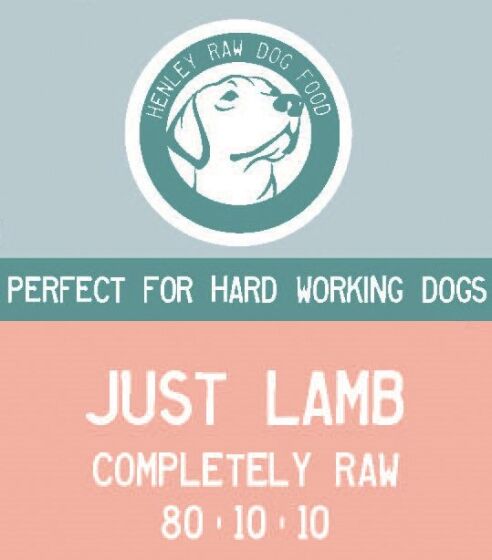

German Shepherd Food Costs
Estimated based on a typical German Shepherd weighing around 30 kg, using the food prices shown above.
Per day
£5.22 - £6.68
Per month
£157 - £200
Per year
£1906 - £2437
German Shepherd Characteristics
The German Shepherd requires a great deal of exercise and does best with an active owner and is easy to train. They are excellent with children of all ages, but can be left for short to moderate periods without issue. The coat is fairly easy to maintain with regular brushing and sheds at a fairly average rate. This is a very clever breed that benefits from puzzle toys and training to keep their mind busy.
German Shepherd Pros & Cons
Pros
- Highly intelligent and trainable, excelling in obedience, sports, and working roles
- Loyal and protective, making them outstanding watchdogs and family guardians
- Available in both short and long coat varieties, offering options for different lifestyles
- Strong working drive that keeps them engaged and thriving with the right activities
Cons
- Not ideal for first-time owners, given the level of training and socialisation they require
- Prone to inherited health conditions including hip and elbow dysplasia
- Needs substantial daily exercise and mental stimulation to avoid destructive behaviour
- Can develop separation anxiety and may become destructive if left alone for too long