Pyrenean Mountain Dog
The Pyrenean Mountain Dog, known as the Grand Pyrenée in France, is a magnificent large breed with a heritage stretching back centuries to the mountainous regions of the Pyrenees.
Originally developed as a livestock guardian, these imposing dogs were bred to work independently, protecting flocks across challenging terrain.
36-54kg
Weight
Large
Size
10-12yrs
Lifespan
About the Pyrenean Mountain Dog
Today, they have evolved into devoted family companions whilst retaining the calm confidence and protective instincts of their ancestors. Physically, Pyrenean Mountain Dogs are striking animals, typically weighing between 36–54 kg and standing 65–82 cm tall. Their thick, medium-length double coat is predominantly white and requires regular grooming to manage shedding. Temperamentally, they are gentle, affectionate, and particularly good with children, though their independent nature demands patient, positive training methods rather than force. Early socialisation is essential, as they can be cautious around strangers. These dogs thrive in homes with ample space and require up to an hour of daily exercise. Their slow maturation, reaching full physical and mental development between three and four years, means owners must provide consistent guidance from puppyhood. Prospective owners should be experienced with large breeds and prepared for their grooming needs and considerable space requirements. With proper care and environment, Pyrenean Mountain Dogs make wonderfully loyal and protective family members.
Pyrenean Mountain Dog at a Glance
- Group
- Pastoral
- Size
- Large
- Weight
- 36–54 kg
- Height
- 65–82 cm
- Lifespan
- 10–12 years
- Coat
- Medium
- Sheds
- Yes
- Exercise
- Up to 1 hour per day
Pyrenean Mountain Dog Temperament
The Pyrenean Mountain Dog is a majestic, calm, and deeply devoted breed with a natural instinct to protect its family and territory. Bred for centuries as an independent flock guardian, they carry a quiet confidence and strong sense of judgement that makes them both reassuring and self-assured. They are affectionate and gentle with their families, particularly good with children, and generally tolerant of other pets within the household. However, they can be wary and cautious around strangers, and their independent nature means training requires patience and positive methods rather than force. They need regular exercise and space to move. Early socialisation is essential for a well-rounded temperament.
Pyrenean Mountain Dog Lifestyle
The Pyrenean Mountain Dog is best suited to a larger home and does best with a large outdoor space to burn off energy. Whether in the city or the countryside, they tend to settle well.
Dog Food for Pyrenean Mountain Dog
Top-rated foods for Large breeds, ranked by FurScore. How we score →
Recommended Food for Pyrenean Mountain Dog


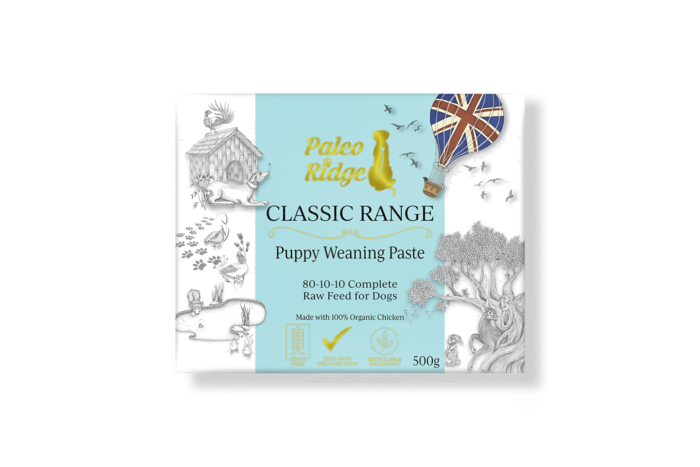



Pyrenean Mountain Dog Food Costs
Estimated based on a typical Pyrenean Mountain Dog weighing around 45 kg, using the food prices shown above.
Per day
£7.17 - £9.17
Per month
£215 - £275
Per year
£2617 - £3346
Pyrenean Mountain Dog Characteristics
The Pyrenean Mountain Dog demands serious exercise and won't be happy with a quick stroll around the block and responds brilliantly to positive reinforcement. They are incredibly tolerant of the rough-and-tumble nature of family life, but are okay left alone for a few hours at a time. The coat requires moderate grooming effort, nothing excessive and sheds moderately. Intelligence is a real hallmark of this breed, and they do best with plenty of mental enrichment alongside exercise.
Pyrenean Mountain Dog Pros & Cons
Pros
- Trustworthy and deeply affectionate, they make wonderful companions and family dogs
- Naturally gentle and patient with children of all ages
- A calm yet impressive watchdog that rarely shows aggression
- Intelligent and, in the right hands, reasonably straightforward to train
Cons
- Their heavy coat requires regular grooming and extra attention during seasonal shedding
- Their stubborn streak makes them a poor fit for inexperienced owners
- Can suffer from separation anxiety if regularly left alone for long periods
- High exercise needs and a tendency to roam mean secure fencing is a must