Shetland Sheepdog
The Shetland Sheepdog, affectionately known as the Sheltie, is a small but spirited pastoral breed with roots in the remote Scottish islands where it was originally developed for herding sheep.
Despite its diminutive size, standing just 33–45 cm tall and weighing 6–12 kg, this breed carries the intelligence and work ethic of its larger ancestors, particularly resembling a miniature Rough Collie.
6-12kg
Weight
Small
Size
12-14yrs
Lifespan
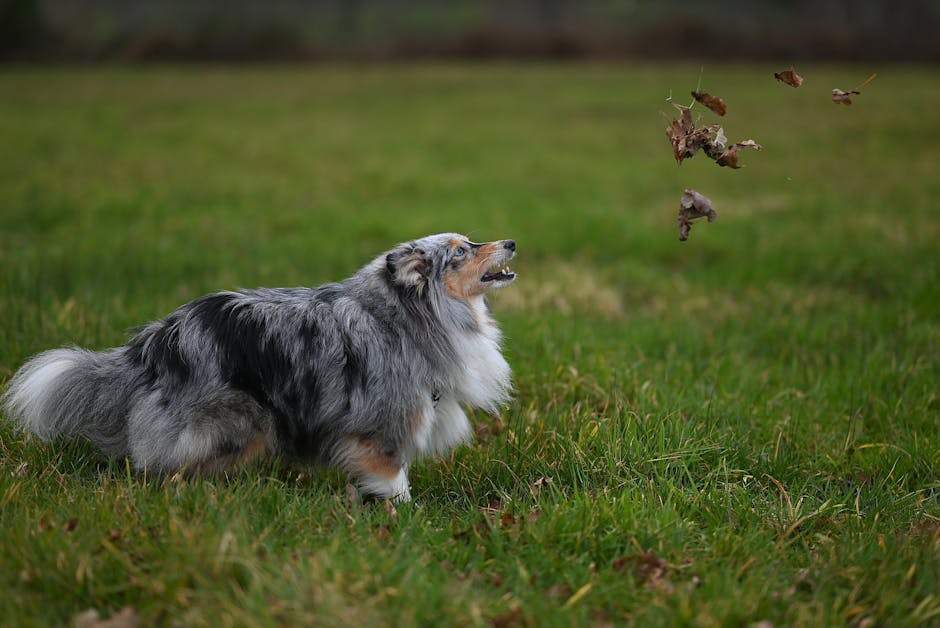
About the Shetland Sheepdog
Shelties are instantly recognisable by their striking double coat, which requires regular grooming and does shed considerably throughout the year. Temperamentally, they are highly intelligent, devoted, and sensitive dogs that form intense bonds with their families. Their strong protective instincts and natural watchfulness make them excellent alert companions, though they can be reserved with strangers. Shelties excel in obedience and agility work, thriving on mental engagement and requiring up to an hour of daily exercise. They typically fare well with children and other pets, though their herding heritage occasionally surfaces in play. Gentle and responsive to training, they do best with owners who provide consistent guidance and avoid harsh corrections. With a lifespan of 12–14 years, Shelties make rewarding companions for families and individuals willing to invest time in their exercise, grooming, and social needs.
Shetland Sheepdog at a Glance
- Group
- Pastoral
- Size
- Small
- Weight
- 6–12 kg
- Height
- 33–45 cm
- Lifespan
- 12–14 years
- Coat
- Medium
- Sheds
- Yes
- Exercise
- Up to 1 hour per day
- Typical price
- £1600–£2000
Shetland Sheepdog Temperament
The Shetland Sheepdog is a highly intelligent, devoted, and sensitive breed with a strong instinct to protect and please its family. Though small in stature, Shelties are hardy and mentally tough, qualities forged through centuries of working life on remote Scottish islands. They are intensely loyal to their owners and thrive on close human relationships, though they can be reserved and watchful around strangers. Typically excellent with children and other pets in the family, they make alert and reliable watchdogs. Highly trainable and responsive, they excel in obedience and agility. They need regular exercise and mental engagement, and do not thrive when left alone for extended periods.
Shetland Sheepdog Lifestyle
The Shetland Sheepdog is well matched to a smaller property and suits a home with a reasonably sized garden. They are equally happy in town or country.
Dog Food for Shetland Sheepdog
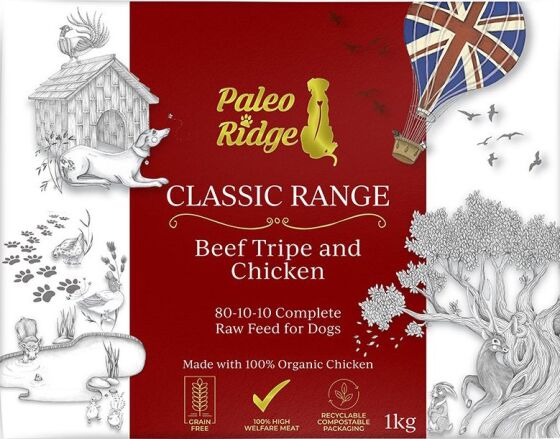
Top-rated foods for Small breeds, ranked by FurScore. How we score →
Recommended Food for Shetland Sheepdog
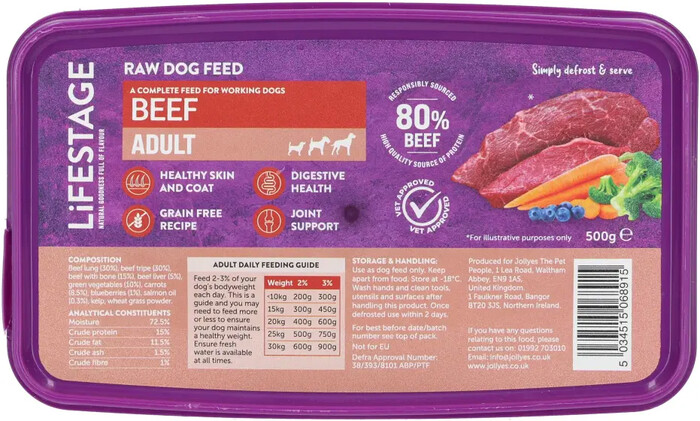
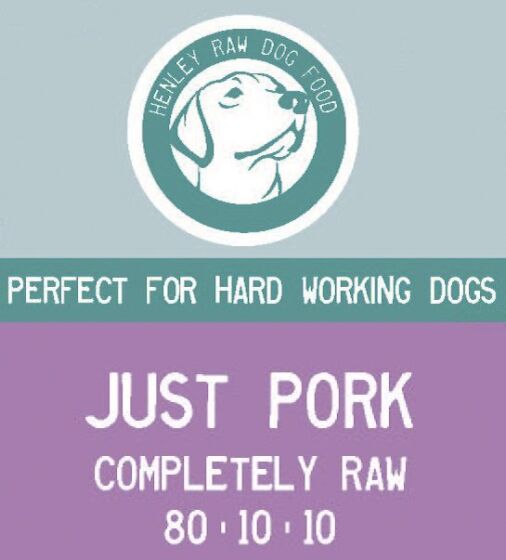
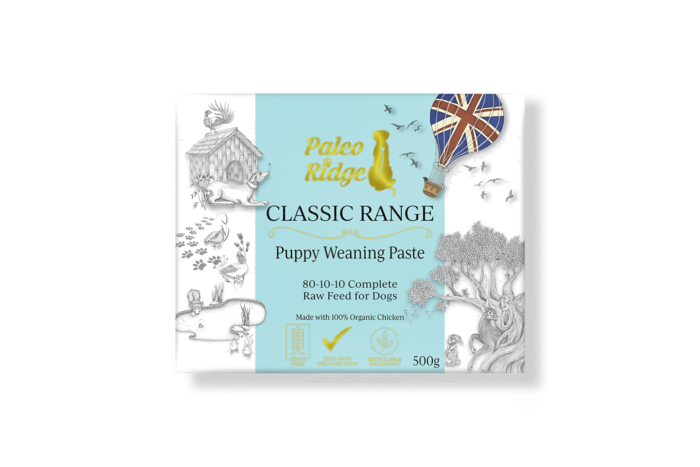

Shetland Sheepdog Food Costs
Estimated based on a typical Shetland Sheepdog weighing around 9 kg, using the food prices shown above.
Per day
£2.14 - £2.74
Per month
£64 - £82
Per year
£783 - £1001
Shetland Sheepdog Characteristics
The Shetland Sheepdog is built for activity and needs owners who can keep up and is a quick learner and a pleasure to train. They are well known for being gentle and patient with young children, but don't need constant company, though they do enjoy being around people. The coat doesn't need daily attention but benefits from regular grooming and produces a reasonable amount of loose hair. This is a very clever breed that benefits from puzzle toys and training to keep their mind busy.
Shetland Sheepdog Pros & Cons
Pros
- Highly affectionate and loyal, forming deep bonds with their family
- A great choice for first-time owners, eager to please and very trainable
- Their strong herding instincts keep them alert and naturally responsive
- Adapts well to flat or country living as long as they get regular exercise
Cons
- Their thick double coat needs daily brushing to stay in good condition
- Can suffer from separation anxiety if left alone too frequently
- Tends to be reserved around strangers, so early socialisation is important
- Herding and nipping instincts can surface with children and need early training to manage