Welsh Collie
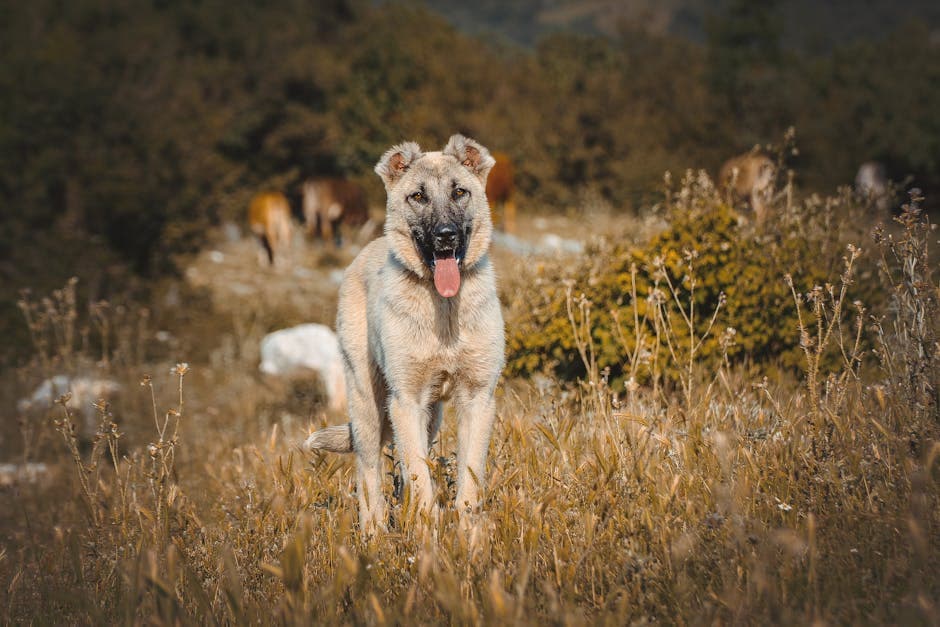
The Welsh Collie is a highly intelligent working dog with deep roots in the pastoral landscapes of Wales, where it has herded sheep across rugged terrain for generations.
Distinguished from its close relative, the Border Collie, the Welsh Collie employs a distinctive "loose eye" herding style, working with a more fluid grace rather than an intense, fixed gaze.
13-18kg
Weight
Large
Size
12-15yrs
Lifespan
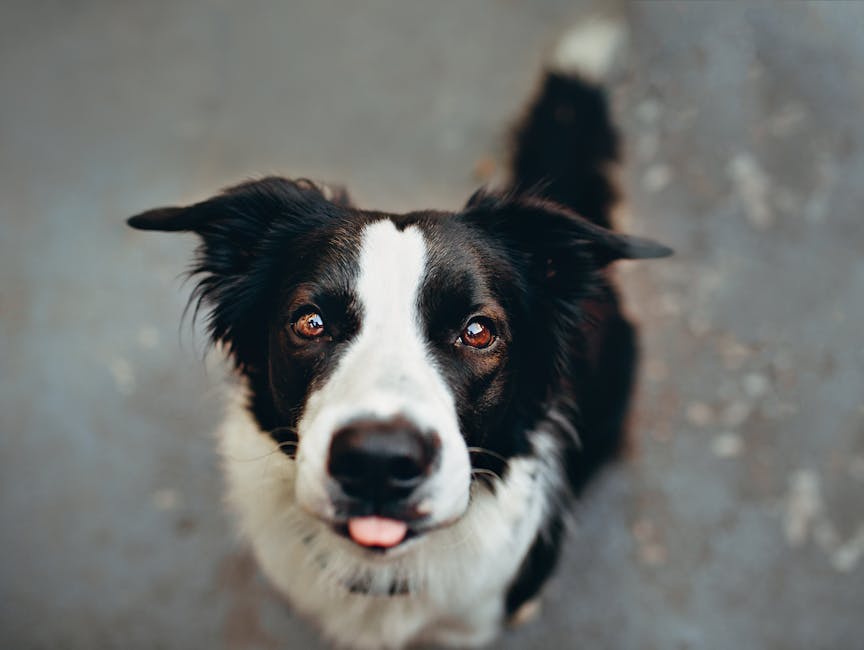
About the Welsh Collie
This rangy breed typically sports a short coat and weighs between 13–18 kg, standing 46–56 cm tall. Known for their energetic and people-focused nature, Welsh Collies are natural learners that respond exceptionally well to consistent, kind training. They make devoted family companions and are generally sociable with children and other animals, bringing a bouncy, engaged spirit to everything they do. However, these intelligent dogs are not suited to isolation and require substantial daily exercise and mental stimulation to prevent boredom and anxiety. Their strong working instincts mean they thrive best in active households that can dedicate time to their needs. With a lifespan of 12–15 years, Welsh Collies are dependable, spirited companions for families prepared to meet their considerable demands. They are best suited to experienced owners who appreciate their complex nature and can provide the engaging, purposeful life these capable dogs deserve.
Welsh Collie at a Glance
⚠ Vulnerable Native Breed
The Welsh Collie is listed as a Vulnerable Native Breed by the Royal Kennel Club, meaning fewer than 300 puppies of this breed are registered each year in the UK. These are British and Irish breeds at risk of disappearing simply because not enough people know they exist. Choosing one of these breeds helps keep an important part of our heritage alive.
- Group
- Pastoral
- Size
- Large
- Weight
- 13–18 kg
- Height
- 46–56 cm
- Lifespan
- 12–15 years
- Coat
- Short
- Sheds
- Yes
- Exercise
- Up to 1 hour per day
- Typical price
- £200–£500
Welsh Collie Temperament
The Welsh Collie is a highly intelligent, energetic, and people-focused working breed that genuinely enjoys human company and responds well to positive interaction. Enthusiastic and lively, they bring a bouncy, engaged spirit to everything they do and are natural learners who take well to training when approached with consistency and kindness. They make excellent companions for children and are generally sociable with other animals. However, they do not tolerate isolation well and can become bored or anxious if left alone in the garden without adequate exercise or engagement. Their working instincts mean they need both physical and mental challenges daily. A devoted, spirited, and dependable companion for an active family.
Welsh Collie Lifestyle
The Welsh Collie doesn't require a large home to be happy and is happiest with plenty of outdoor space at home. They are comfortable in either a town or rural environment.
Dog Food for Welsh Collie
Top-rated foods for Large breeds, ranked by FurScore. How we score →
Recommended Food for Welsh Collie
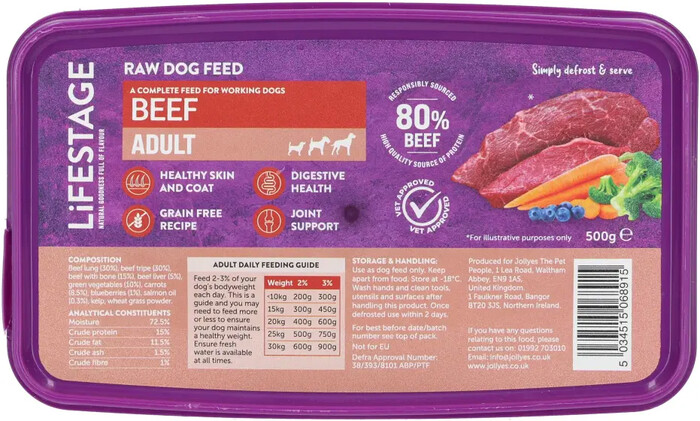

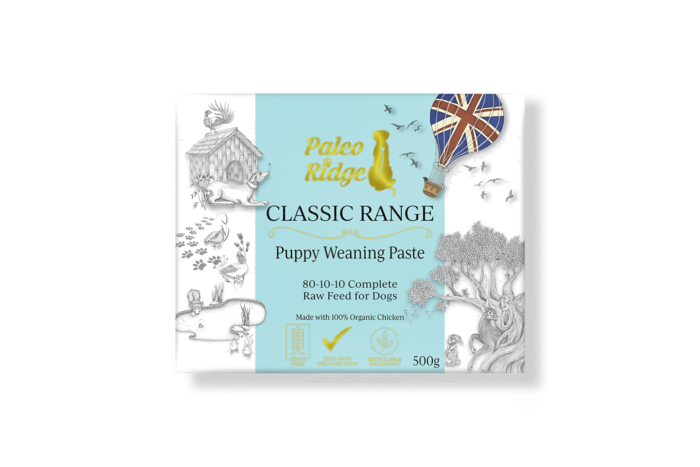

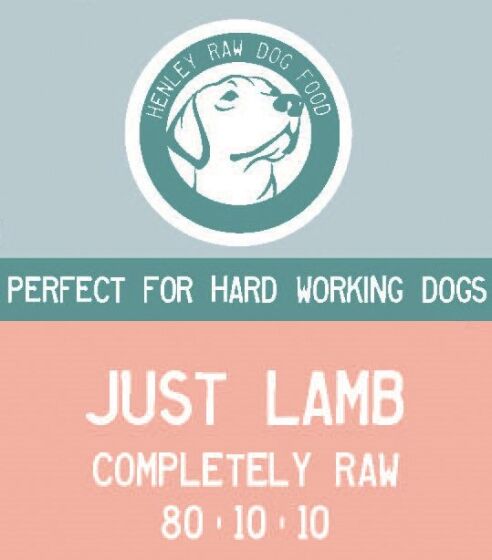

Welsh Collie Food Costs
Estimated based on a typical Welsh Collie weighing around 16 kg, using the food prices shown above.
Per day
£3.22 - £4.12
Per month
£97 - £124
Per year
£1176 - £1504
Welsh Collie Characteristics
The Welsh Collie demands serious exercise and won't be happy with a quick stroll around the block and responds brilliantly to positive reinforcement. They tend to be fine around children, especially when raised alongside them and are among the more independent breeds and cope well without constant company. The coat requires moderate grooming effort, nothing excessive and sheds moderately. Intelligence is a real hallmark of this breed, and they do best with plenty of mental enrichment alongside exercise.
Welsh Collie Pros & Cons
Pros
- Their distinctive herding style is less intense than the Border Collie, with a more relaxed working approach
- Highly intelligent and capable of working independently without constant direction
- Loyal and alert, making a dependable watchdog in both farm and home settings
- A relatively healthy breed with a low prevalence of hereditary conditions, thanks to careful working-focused breeding
Cons
- Better suited to working or active rural environments than a typical domestic home
- Their complex needs make them a poor choice for inexperienced dog owners
- Prone to separation anxiety and can become destructive if left alone too often
- Sheds moderately throughout the year with increased grooming needs during seasonal changes