The Short Answer
German Shepherds need a high-protein food with named meat sources, omega-3 fatty acids for joint and coat support, and easily digestible carbohydrates. This breed is genetically prone to exocrine pancreatic insufficiency (EPI) and bloat, so digestibility matters more than for most dogs. Prioritise foods listing named proteins (chicken, salmon, lamb) over vague "meat meal" or "animal derivatives", and keep fat content moderate to reduce pancreatic stress.
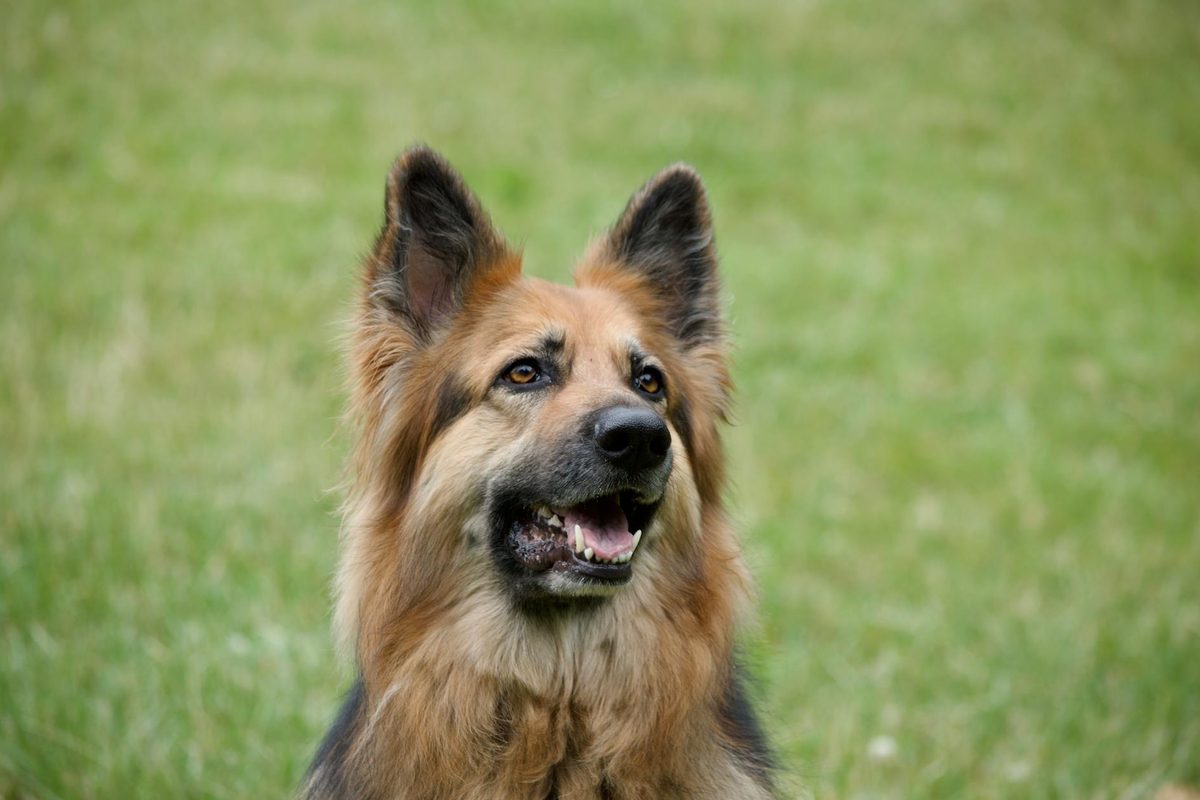
German Shepherds are the UK's third most popular breed, yet their specific dietary needs are often overlooked. They are large, active dogs with a double coat, a tendency toward joint problems including hip dysplasia, and a digestive tract that can be more sensitive than similarly sized breeds. Getting the nutrition right matters more for this breed than for many others.
What Protein Level Does a German Shepherd Need?
German Shepherds are working dogs by heritage and maintain significant muscle mass even in domestic settings. A minimum of 25% protein in dry matter is recommended for adult German Shepherds, with active or working dogs benefiting from 28 to 32%.
Crucially, the protein source matters as much as the percentage. Named meat sources (chicken, salmon, lamb, beef) are more bioavailable than vague "meat meal" or "animal derivatives." A food listing "chicken meal" is acceptable; "poultry derivatives" is a red flag indicating lower-quality protein blend.
UK brands with named single-protein options well-suited to German Shepherds include Barking Heads (All Hounder range), Gentle (salmon and potato), and Guru Cold Pressed (multiple protein options).
Are German Shepherds Prone to Digestive Problems?
Yes, more than the average breed. German Shepherds are genetically predisposed to exocrine pancreatic insufficiency (EPI), a condition where the pancreas does not produce enough digestive enzymes. They are also more likely than other breeds to develop inflammatory bowel disease (IBD) and bloat (gastric dilatation-volvulus, GDV).
For digestive health, the most important dietary factors are:
- Highly digestible protein sources (fish and chicken tend to be easier to digest than red meat)
- Prebiotic fibre (chicory root, sweet potato) to support gut bacteria
- Moderate fat content to reduce stress on the pancreas
- Avoiding rapid feeding by using a slow-feeder bowl
If your German Shepherd has recurrent loose stools, weight loss despite eating, or a greasy-looking coat, speak to your vet about testing for EPI before changing food.
What Ingredients Support German Shepherd Joint Health?
Hip and elbow dysplasia are the most common structural problems in German Shepherds. Dietary support for joint health focuses on:
Omega-3 fatty acids (EPA and DHA): Found in fish oil, salmon, and marine algae. Reduce joint inflammation. Look for these listed in the ingredients rather than relying on general "omega oils" claims.
Glucosamine and chondroitin: Support cartilage health. Some premium dog foods include these, but levels are rarely disclosed. Supplementation via fish oil or dedicated joint supplements is more reliable if your dog has a joint condition.
Appropriate calorie density: Overweight German Shepherds suffer more joint deterioration. A food with around 330 to 380 kcal per 100g (for dry food) is appropriate for a moderately active adult dog. Very calorie-dense foods risk weight gain if portion discipline slips.
How Do UK Brands Compare for German Shepherds?
| Brand | Protein Source | Digestibility | Joint Support | FurScore |
|---|---|---|---|---|
| Barking Heads All Hounder | Named chicken, salmon | High | Moderate | 8.4 |
| Gentle (Salmon and Potato) | Named salmon | High | Good (omega-3) | 8.7 |
| Guru Cold Pressed | Named turkey or duck | High | Good | 8.5 |
| Arden Grange (Large Breed) | Named chicken, fish | Medium-high | Good | 8.2 |
| Harringtons (Complete) | Named chicken/turkey | Medium | Low | 6.8 |
Premium price does not automatically guarantee suitability for German Shepherds. Read the ingredient list rather than relying on marketing claims.
What About Grain-Free Diets for German Shepherds?
There is no evidence-based reason to feed a German Shepherd grain-free specifically because of their breed. The grain-free trend has been associated with reports of dilated cardiomyopathy (DCM) in some breeds, though the link remains under investigation by the FDA and equivalent UK authorities.
For German Shepherds with confirmed grain sensitivity or diagnosed food allergies, a grain-free option may be appropriate under veterinary guidance. For most German Shepherds, a high-quality food with easily digestible grains (brown rice, oats) is fine and provides useful fibre.
Our Verdict
German Shepherds thrive on high-protein, named-meat foods with omega-3 fatty acid support and moderate, easily digestible carbohydrates. Prioritise digestibility and joint support ingredients over grain-free marketing. If your GSD has ongoing digestive issues, consult your vet before changing food, as EPI and IBD require dietary management beyond a standard premium food.

Find the best food for your dog
Browse our independent, algorithm-based ratings for every dog food sold in the UK.
Browse Dog Foods →