The Short Answer
Keep kibble in its original bag, rolled and clipped, inside an airtight container in a cool, dark spot, and use it within six weeks of opening. Never pour kibble directly into a plastic bin without the bag: fats leach into the plastic, go rancid, and contaminate the next bag. Opened wet food should be covered and refrigerated, used within 48 hours. Raw food must be defrosted in the fridge, not at room temperature.
Dog food storage is one of those topics that most dog owners never think about until something goes wrong: a dog refusing food that was fine last week, a bag of kibble that smells off, or a health scare from mouldy food. Getting storage right is simple but specific, and the most common advice (just tip it into a big plastic container) is actually wrong.
Why Does Storage Matter for Dry Kibble?
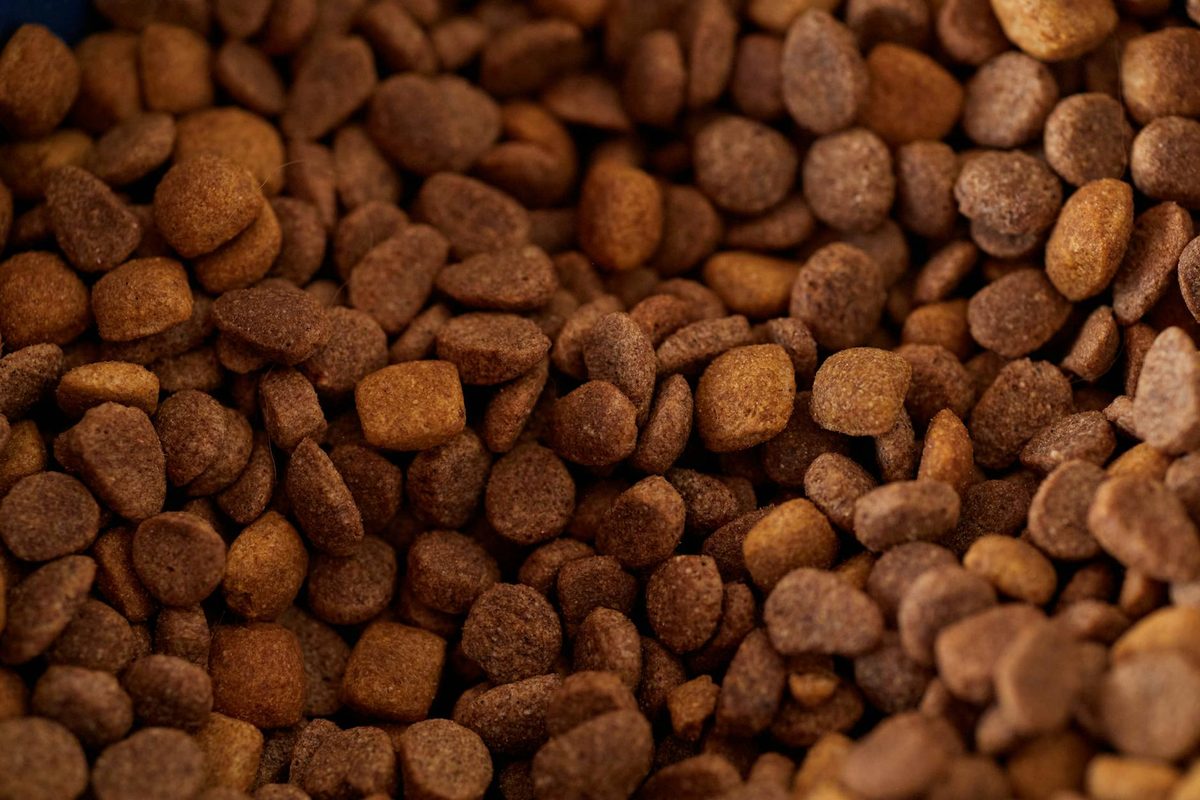
Dry kibble contains fats that oxidise when exposed to air, heat, and light. Oxidised fats are not just less nutritious; they can cause digestive upset and, in severe cases, contain harmful compounds. Heat also degrades heat-sensitive vitamins, particularly A, D, E, and some B vitamins.
The coating of fat on kibble pellets is also a perfect environment for mould growth if moisture is introduced. Mould in dog food produces mycotoxins, which can cause vomiting, liver damage, and in severe cases, neurological symptoms. UK summer humidity can introduce enough moisture into a poorly stored bag to create mould growth within weeks.
Should You Transfer Kibble Into a Plastic Storage Bin?
This is the most common mistake in dog food storage. The intention is good: an airtight bin seems like better storage than a resealable paper bag. But the problem is plastic.
Fats from kibble leach into plastic surfaces. Even after washing, microscopic fat residue remains in the plastic, and these fats go rancid over time. When you add a new bag of fresh kibble to a bin that still has old fat residue on the interior, the fresh food picks up the rancid odour and begins to oxidise faster.
The correct approach:
- Keep kibble in its original bag. The bag is designed to preserve freshness.
- Roll the top of the bag tightly to minimise air exposure and secure it with a clip.
- Place the sealed bag inside a large airtight container for additional protection.
- Wash and dry the container thoroughly between bags, and let it dry completely before adding the next bag.
Where Should You Store Dry Kibble?
Cool and dry: Garages and utility rooms can work well in winter but become very warm in summer. Consistent temperature is more important than low temperature. A kitchen cupboard away from the cooker or dishwasher is often the most stable environment.
Away from direct sunlight: UV light degrades fats and vitamins. A dark cupboard or opaque container is preferable to a clear container in natural light.
Elevated from the floor: In areas prone to dampness, storing bags on a shelf rather than directly on a concrete floor reduces moisture transfer.
Use within six weeks of opening: Most premium dry foods have preservatives designed to maintain quality for six weeks after the bag is opened. Beyond this point, quality degrades even with good storage. If your bag will not be used within six weeks, consider buying smaller bags more frequently.
How Should You Store Wet Dog Food?
Unopened tins and pouches: Store in a cool, dry cupboard, well within the best-before date.
Opened tins: Transfer to a food-grade container with a lid (or use a tin cover) and refrigerate. Use within 48 hours. Leaving an open tin in the fridge without a cover risks the food absorbing fridge odours and drying out.
Opened pouches: Pour the remaining portion into a covered container and refrigerate. Use within 24 hours.
Do not reheat wet food repeatedly. If you warm refrigerated wet food (some dogs prefer warmed food), only warm the portion you intend to serve immediately.
How Should You Store Raw Dog Food?
Raw food requires the strictest storage hygiene:
Frozen: Raw food should be kept frozen until the day before use. Do not leave raw food at room temperature to defrost; this is where bacterial multiplication occurs rapidly.
Defrost in the fridge: Move raw food from the freezer to the fridge 24 hours before it is needed. Defrost on the bottom shelf to prevent any drips contaminating other food.
Use within 24 to 48 hours of defrosting: Once defrosted, raw food should not be refrozen and should be used within 48 hours at most.
Clean all surfaces and bowls thoroughly: E. coli, Salmonella, and Listeria are present in raw meat and can be transferred to human food preparation surfaces. Use separate bowls, utensils, and preparation surfaces for raw dog food, and wash thoroughly with hot water and detergent after every use.
How Do You Know If Dog Food Has Gone Off?
Signs that dry kibble has gone bad:
- Noticeably rancid or unpleasant smell (beyond normal kibble odour)
- Visible mould, even in isolated spots (discard the entire bag)
- Your dog refuses food they normally eat with enthusiasm
- Pellets that feel greasy or wet
Signs that wet food has gone bad:
- Off smell beyond the normal food odour
- Mould growth (discard immediately)
- Colour change or unusual texture
When in doubt, discard. The cost of a fresh bag is far less than a vet bill for food poisoning.
Our Verdict
Proper dog food storage is simple once you know the rules: keep kibble in its original bag inside an airtight container, cool and dark, and use within six weeks of opening. Never pour kibble directly into a plastic bin without the bag. Follow strict defrost protocols for raw food. These habits prevent nutrient loss, rancidity, and mould, keeping your dog's food as good on the last day of the bag as the first.
Find the best food for your dog
Browse our independent, algorithm-based ratings for every dog food sold in the UK.
Browse Dog Foods →