The Short Answer
Cold pressing uses temperatures of around 40 to 45 degrees Celsius, compared to 120 to 180 degrees for standard extrusion, which preserves more enzymes and heat-sensitive vitamins. The digestibility advantage over cheap kibble is clear, but the gap narrows considerably against high-quality extruded foods like Orijen or Millies Wolfheart. It is worth the premium for dogs with digestive sensitivity; for healthy dogs already doing well on a good kibble, the practical difference is modest.
Cold-pressed dog food occupies the space between raw feeding and conventional kibble. It promises the minimally processed qualities of raw with the convenience of a shelf-stable dry product. The UK market is led by Guru, Tribal, and WolfWorthy. But is the premium price justified by genuine nutritional benefits, or is this another marketing category?
What Does Cold Pressing Actually Mean?
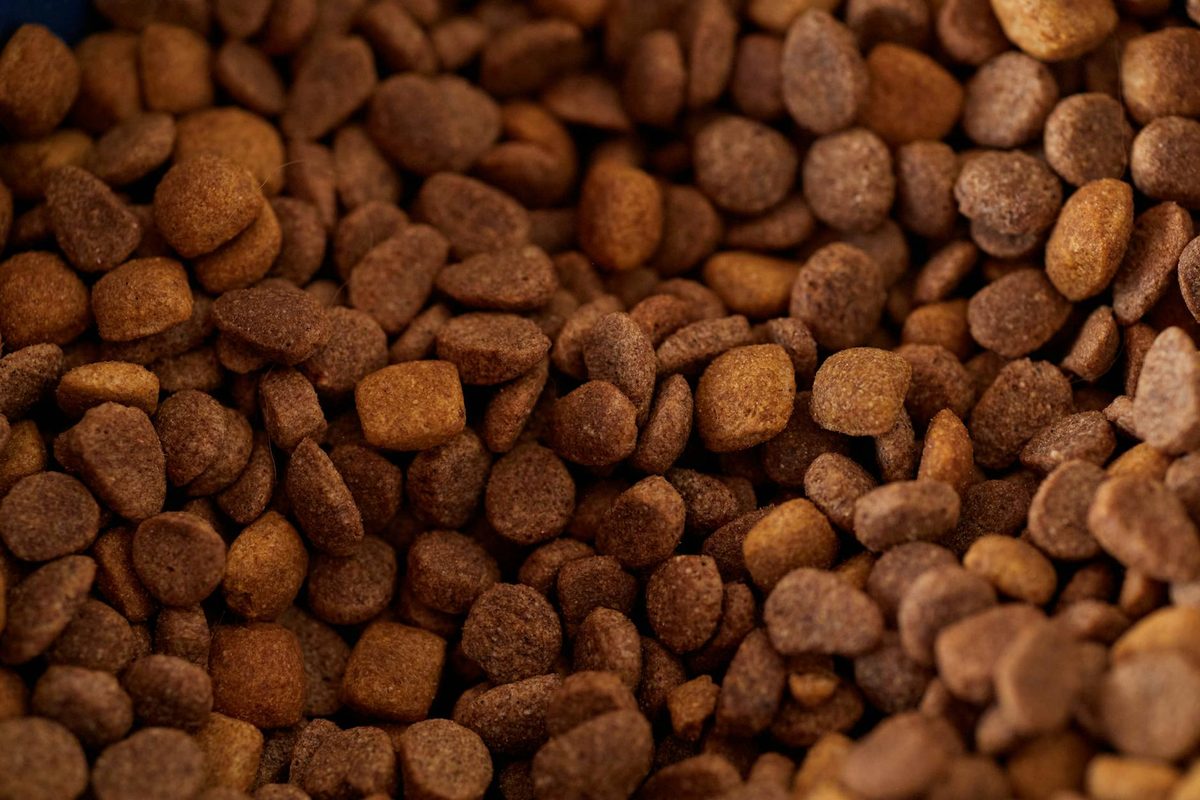
Standard kibble is made by extrusion: ingredients are mixed, pushed through a machine at high pressure, and exposed to temperatures of 120 to 180 degrees Celsius. This process creates the familiar puffed pellet shape, but the high heat destroys some heat-sensitive nutrients and enzymes.
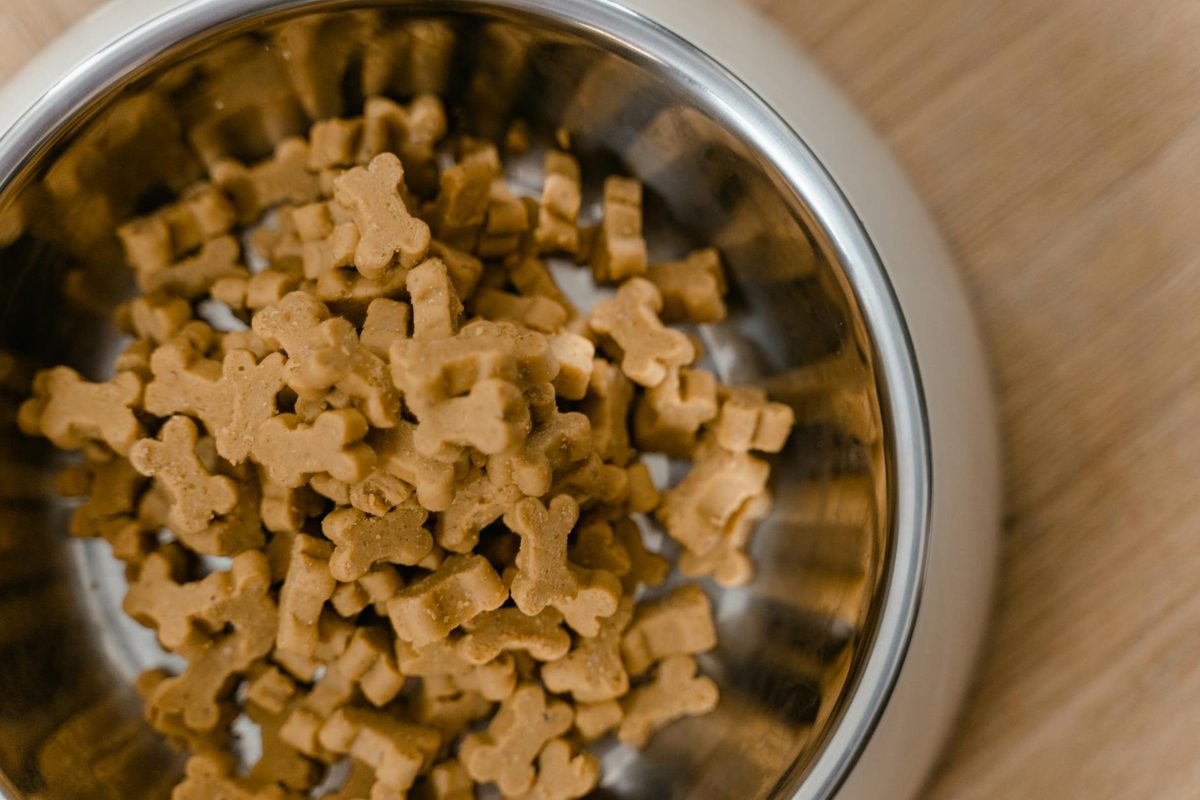
Cold pressing uses significantly lower temperatures, typically 40 to 45 degrees Celsius, under high pressure to bind ingredients into a dense, compact pellet. Because temperatures stay below the point at which proteins denature and vitamins degrade, more of the original nutritional value of the raw ingredients is preserved.
The practical differences:
- Cold-pressed food is denser and sinks in water (useful for dogs who need soaking to slow eating)
- It breaks down more quickly once it becomes wet, making it easier to digest
- Enzymes and heat-sensitive vitamins are better preserved
- It has a shorter shelf life than extruded kibble once opened
Is Cold-Pressed Food More Digestible?
There is evidence that it can be. The denser structure of cold-pressed food absorbs digestive enzymes differently from extruded kibble. Some veterinary nutritionists suggest that cold-pressed food's slower-dissolving structure means it is not digested in the stomach to the same degree as extruded food, allowing more to reach the small intestine where absorption is more efficient.
A study published in the British Journal of Nutrition (2012) comparing extruded and cold-pressed formulations found improved apparent faecal digestibility for cold-pressed food, though the effect was ingredient-dependent and not universal.
Owners of dogs with sensitive stomachs or chronic loose stools frequently report improvement after switching to cold-pressed food. Whether this is primarily due to the processing method or the generally cleaner ingredient lists in cold-pressed brands is not always clear.
How Do UK Cold-Pressed Brands Compare?
| Brand | Primary Protein | Fat% | Fibre% | FurScore |
|---|---|---|---|---|
| Guru Cold Pressed | Turkey or duck (named) | 14% | 4% | 8.5 |
| Tribal Fresh-Pressed | Chicken or fish (named) | 13% | 4.5% | 8.3 |
| WolfWorthy | Venison or turkey (named) | 12% | 5% | 8.2 |
| Orijen (extruded for comparison) | Multiple named proteins | 20% | 4% | 9.0 |
Guru remains the most widely stocked and tested cold-pressed option in the UK. Tribal offers the widest range of protein varieties.
What Are the Practical Advantages?
For dogs who eat too quickly: Cold-pressed food can be added to water, which causes it to break apart into a mash within a few minutes. This naturally slows eating without the need for a special slow-feeder bowl.
For dogs transitioning from raw: The minimal processing and ingredient transparency of cold-pressed food makes it a closer nutritional proxy to raw feeding than standard kibble, which can help with palatability during the transition.
For dogs with digestive sensitivity: The combination of cleaner ingredient lists and improved digestibility makes cold-pressed a sensible choice for dogs with chronic digestive problems.
What Are the Drawbacks?
Cost: Cold-pressed food is typically 30 to 60% more expensive per kilogram than equivalent-quality extruded kibble. For a 30kg dog, Guru cold pressed costs approximately £90 to £110 per month versus £40 to £55 for a high-quality extruded equivalent.
Availability: Cold-pressed food is sold primarily through independent pet retailers and online. It is not stocked in supermarkets or most national chains, which limits access.
Shelf life: Once opened, cold-pressed food has a shorter usable window than extruded kibble. The natural lack of artificial preservatives that makes it healthier also makes it less shelf-stable.
Our Verdict
Cold-pressed dog food delivers a genuine nutritional benefit over cheap extruded kibble, particularly in terms of digestibility and nutrient preservation. However, the gap narrows significantly when compared to high-quality extruded foods like Orijen or Millies Wolfheart. For healthy dogs thriving on a good-quality kibble, switching to cold-pressed is unlikely to produce obvious health improvements. For dogs with digestive sensitivity or owners who want minimum processing, cold-pressed is a worthwhile option if the budget allows.

Find the best food for your dog
Browse our independent, algorithm-based ratings for every dog food sold in the UK.
Browse Dog Foods →