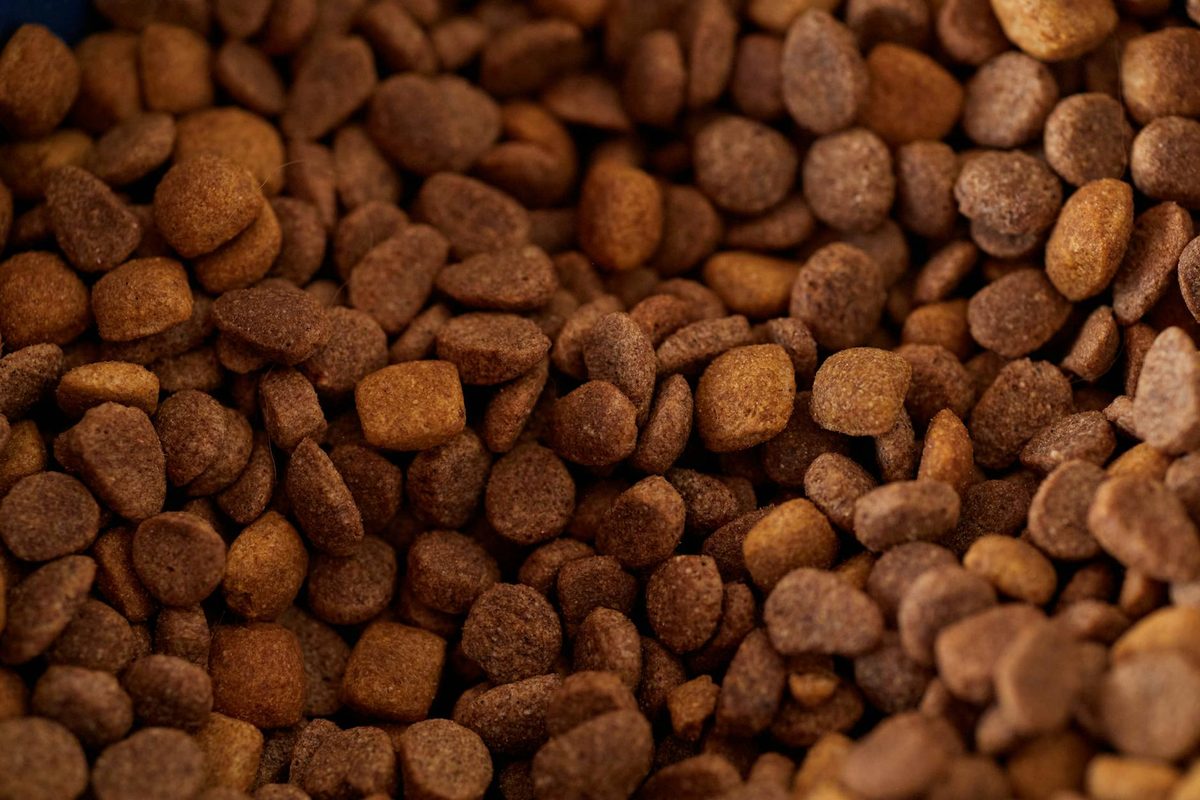
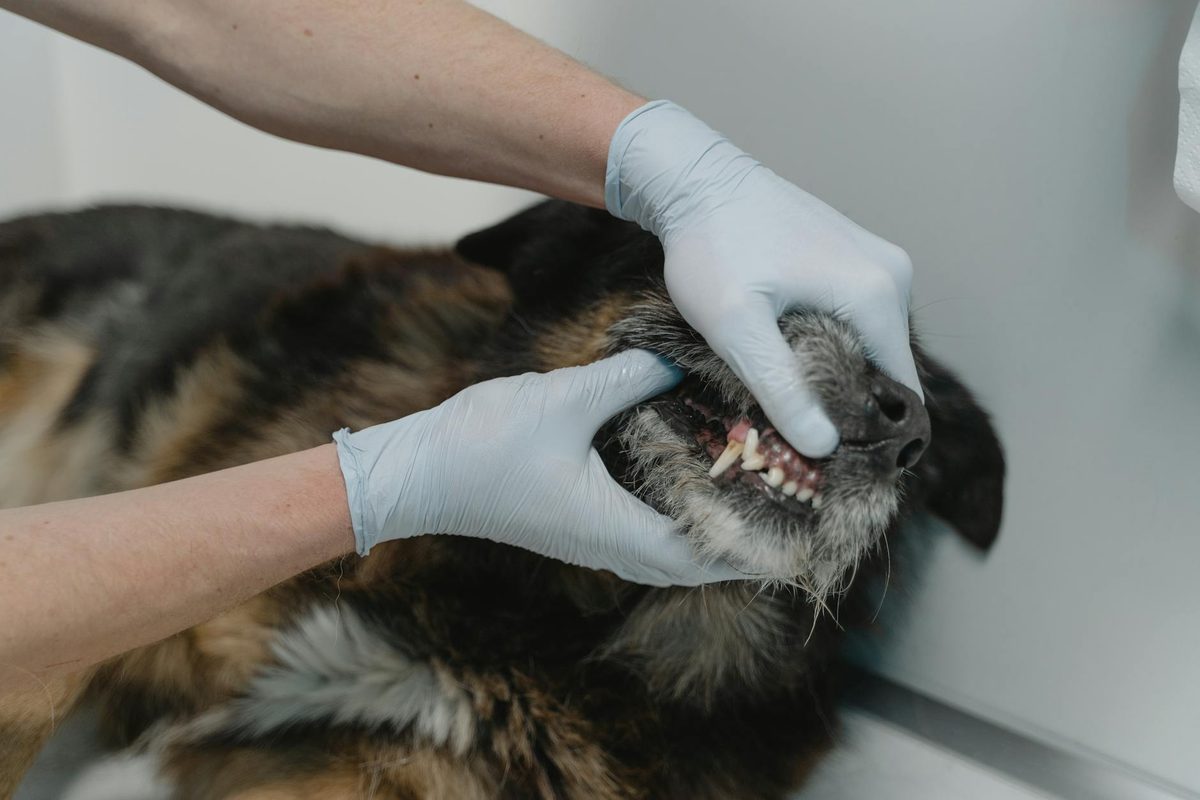
The short answer: Certain dog foods can significantly improve your dog's dental health by reducing plaque and tartar buildup. Look for kibble specifically designed for dental care or those containing ingredients that promote oral hygiene.
As any dog owner knows, dental health is a key factor in overall pet wellness. Poor dental hygiene can lead to serious health issues down the line, including heart disease and infections. Understanding how dog food impacts dental health is crucial for making informed choices about your dog's diet.
Is grain-free dog food better for dental health?
Grain-free dog food is not necessarily better for dental health. While many claim benefits such as reduced plaque, the efficacy largely depends on other ingredients and food texture.
Grain-free diets often focus on high protein and fat content, which doesn’t inherently contribute to dental health. Rather, the texture and formulation of the food play a more vital role in helping to clean teeth. Research indicates that kibble with a hard texture is more beneficial in scraping off the food particles and plaque during chewing.
Which ingredients promote dental health in dog food?
Certain ingredients promote dental health in dog food. Look for Ingredients like:
- Kibble texture: Larger kibble bits help scrape the teeth as dogs chew.
- Dental chews: Products designed specifically for dental care can aid in maintaining oral hygiene.
- Natural additives: Ingredients such as peppermint, neem oil, and green tea extract can offer additional benefits for breath freshness and tartar control.
Types of dog foods that support dental health
When choosing dog food for dental health, it’s helpful to know which types can be particularly effective:
| Food Type | Protein % | Best For | FurScore Rating |
|---|---|---|---|
| Dental-specific dry foods | 20-30% | Preventing plaque build-up | 8.5-9.5 |
| High-quality kibble with texture | 25-35% | General dental health | 7.5-9.0 |
| Natural additions (wet food) | 15-25% | Sensitive teeth | 6.5-8.0 |
What do vets say about dental treats and chews?
Vets generally agree that dental treats and chews can be beneficial for maintaining dental health in dogs. These products are designed to encourage chewing, which mechanically removes plaque from teeth.
The British Veterinary Dental Association also highlights that specific treats can help reduce harmful bacteria in the mouth. However, they caution against relying solely on treats for dental care, recommending a combination of good nutrition and regular dental check-ups.
How often should I feed my dog?
Regular feeding times can contribute to better dental health. Feeding dogs twice a day may help reduce plaque buildup compared to free feeding, which allows constant grazing. The British Veterinary Association suggests establishing a routine that includes regular meal times and monitoring the types of food provided.
Which UK brands score highest for dental health?
When it comes to choosing dog food specifically formulated for dental health, some UK brands stand out:
| Brand | Product Name | Protein % | FurScore Rating |
|---|---|---|---|
| Barking Heads | "Dental Daily" | 28% | 9.2 |
| Purina Pro Plan | "Dental Health" | 26% | 8.8 |
| James Wellbeloved | "Dental Kibble" | 25% | 8.5 |
These brands offer options that support your dog's dental health while providing the necessary nutrition.
What signs indicate dental problems in dogs?
Look out for several signs that may indicate dental issues in dogs, including:
- Bad breath: Persistent foul odour is often a first indicator.
- Difficulty eating: Signs of discomfort while chewing can be a concern.
- Swollen gums or bleeding: These are clear signs of potential periodontal disease.
Recognising these symptoms early can lead to more effective interventions.
How often should I schedule dental check-ups for my dog?
Regular dental check-ups are essential for maintaining your dog’s dental health. The British Veterinary Association recommends annual check-ups as standard. For dogs with existing dental issues, more frequent visits may be necessary.
Investing in your dog's dental health through regular check-ups and proper nutrition can have long-lasting benefits.
Can I improve my dog’s dental health with home care?
Yes, home care can significantly contribute to your dog's dental health. Implement a routine that includes:
Step 1: Regular brushing
Brush your dog's teeth two to three times a week using an enzymatic toothpaste designed for dogs. This helps remove plaque before it hardens into tartar.
Step 2: Offer dental treats
Incorporate dental chews or treats into your pet's diet. Many are formulated to target plaque and tartar specifically.
Step 3: Regular vet visits
Schedule regular veterinary dental cleanings. Professional cleanings are the best way to ensure your dog’s teeth stay healthy.
Our Verdict
Choosing the right dog food for dental health is crucial for maintaining your dog's overall well-being. Focus on high-quality kibble that promotes chewing and contains specific ingredients aimed at improving oral hygiene. Regular dental care at home and professional vet check-ups will further support your dog's healthy smile. Prioritise their dental health today for better long-term outcomes.
If you're looking for more information on how to choose the best food for your dog's health, check out our detailed guide on How to Read a Dog Food Label.

Find the best food for your dog
Browse our independent, algorithm-based ratings for every dog food sold in the UK.
Browse Dog Foods →