The Short Answer
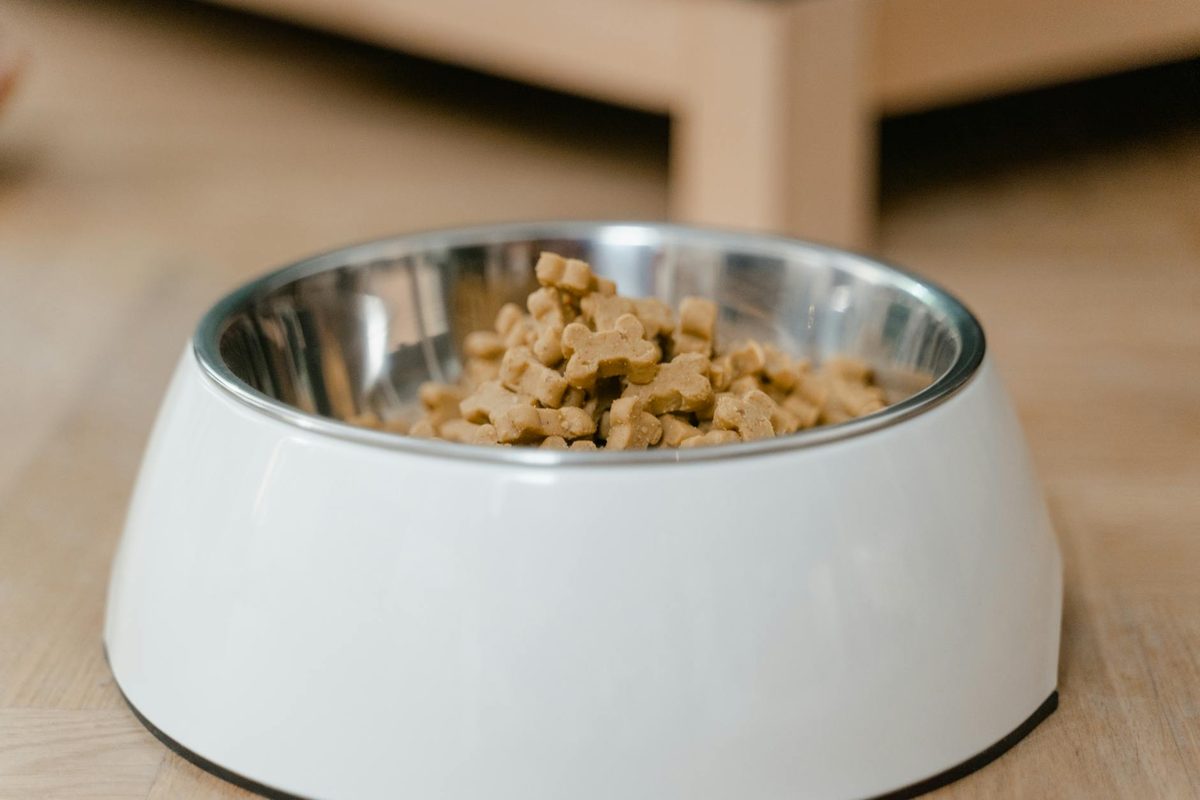
For most dogs, reassessing their diet every six to twelve months is sufficient, though life stage transitions, such as moving from puppy to adult food or switching to a senior formula after seven years, are the most common reasons to make a change sooner. Signs that a change may be needed include significant weight fluctuation, digestive problems like vomiting or loose stools, or a noticeable drop in energy. When switching, a gradual transition over seven to ten days, starting with 75% existing food and finishing at 100% new food, helps to avoid gastrointestinal upset. Changing food more than twice a year without veterinary guidance is generally discouraged, as it can disrupt gut health and make it harder to identify food intolerances.
The frequency with which you should change your dog's food depends on several factors, including your dog's age, health conditions, and dietary needs. Generally, it's advisable to reassess your dog's diet every six months, but some dogs may require more frequent changes as their needs evolve.
Understanding how often to change your dog's food is crucial for maintaining their health and well-being. Long-term feeding of the same food can lead to nutrient imbalance, while changing food too often can upset their digestive system.
How often should you change your dog's food?
It is advisable to change your dog's food every six to twelve months, depending on their individual needs. Most dogs benefit from a stable diet, but certain life stages or health conditions may require dietary adjustments more frequently.
A dog's nutritional requirements can change as they age or if they develop health issues. For instance, puppies require special nutrition for growth, while senior dogs might need a diet formulated for joint health or weight management. Regularly consulting with your veterinarian can help in deciding the best time to review your dog's food.
What factors influence how often to change dog food?
The factors influencing how often to change your dog's food include:
- Age: Puppies, adult dogs, and seniors all have different nutritional needs.
- Health Conditions: Medical diets may be required for dogs with allergies, diabetes, or other health issues.
- Activity Level: Active dogs may require different caloric intake compared to those who are more sedentary.
Understanding these factors ensures that your dog receives the nutrients they need at any given time. Regular assessments are important, especially at transitional life stages.
How can you tell if it’s time to change your dog's food?
You should consider changing your dog's food if you observe:
- Weight Changes: Significant loss or gain may indicate inappropriate calorie intake.
- Digestive Issues: Vomiting, diarrhoea, or changes in stool consistency may signal a need for dietary changes.
- Changes in Activity Level or Behaviour: Lethargy or hyperactivity can sometimes be linked to diet.
If your dog displays any of these signs, it is essential to consult your veterinarian. They can provide tailored advice based on your dog's specific circumstances.
What are the best practices for changing dog food?
When it comes to changing your dog's food, the best practices include the following:
Step 1: Consult Your Veterinarian
Always start with professional advice. Your vet can provide guidance on dietary needs based on age, health status, and activity level.
Step 2: Gradual Transition
Transition your dog to a new food gradually over a week to ten days. This helps to avoid digestive upset.
Here’s a suggested transition schedule:
| Day | Food Type | Ratio |
|---|---|---|
| 1-2 | Current dog food | 75% |
| 3-4 | Transitional mix | 50% current, 50% new |
| 5-6 | Transitional mix | 25% current, 75% new |
| 7+ | New dog food | 100% new |
Step 3: Monitor Your Dog’s Response
Keep an eye on your dog's reaction to the new food. Watch for any signs of allergies, including itching, gastrointestinal upset, or other health changes.
Following these steps can ensure a smoother transition and minimise any potential digestive issues.
Which dog foods are best for regular changes?
Choosing the right dog food for regular changes involves looking at nutrition quality and your dog's specific needs. Here’s a comparison of popular options available in the UK:
| Brand | Food Type | Protein % | Best For | FurScore Rating |
|---|---|---|---|---|
| Royal Canin | Dry and Wet | 25-30% | Breed-specific formulations | 8.5 |
| Arden Grange | Grain-free Dry | 26-32% | Sensitive stomachs | 9.0 |
| Purina Pro Plan | Dry | 30-34% | Active dogs | 8.8 |
| James Wellbeloved | Grain-free Dry | 22-28% | Allergies | 8.7 |
| Lily's Kitchen | Natural Wet/Dry | 25-30% | Fresh food option | 9.2 |
These brands are noted for their quality ingredients and balance of nutrients. Always consult your vet when introducing a new food, especially if switching for health reasons.
What do experts say about switching dog food?
Veterinary professionals often stress the importance of providing a well-balanced diet tailored to your dog’s specific needs. According to the Pet Food Manufacturers’ Association (PFMA), a varied diet can help prevent issues such as food allergies and nutrient deficiencies.
As dogs age, vets recommend transitioning to diets that support joint health and maintain ideal body weight. For example, after seven years, many dogs may benefit from a senior-specific formula that compensates for decreased activity levels.
Are there any risks to changing dog food too frequently?
Yes, changing your dog's food too frequently can lead to digestive upset. Dogs thrive on routine, and sudden changes can disrupt their gut health, leading to issues like diarrhoea or vomiting. It can also make it more difficult to identify food intolerances, as your dog’s digestive system needs time to adapt to any new ingredients.
A British Veterinary Association survey found that many dog owners are often misinformed about diet changes, leading to unnecessary aberrations in their pet's health. As a rule of thumb, try to change your dog food no more than twice a year unless guided by a vet.
Our Verdict
How often to change dog food depends on various individual factors including age, health, and lifestyle. Regular assessment, ideally every six to twelve months, is crucial to maintaining your dog's health. Consulting with your veterinarian and following a gradual transition process will help ensure your dog enjoys a balanced diet that suits their evolving needs.
Ready to make the right choice for your dog's diet? Explore our in-depth resources on How to Read a Dog Food Label and discover the best options for your furry friend today!
Find the best food for your dog
Browse our independent, algorithm-based ratings for every dog food sold in the UK.
Browse Dog Foods →