The Short Answer
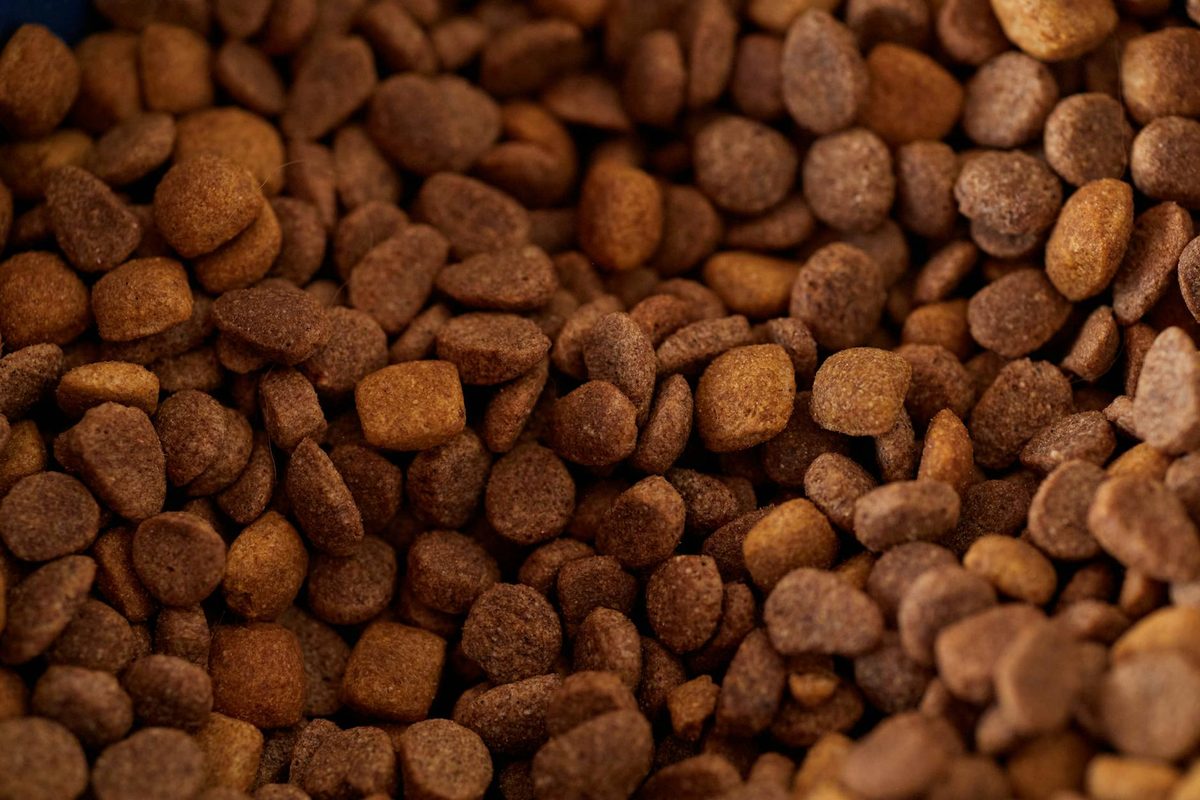
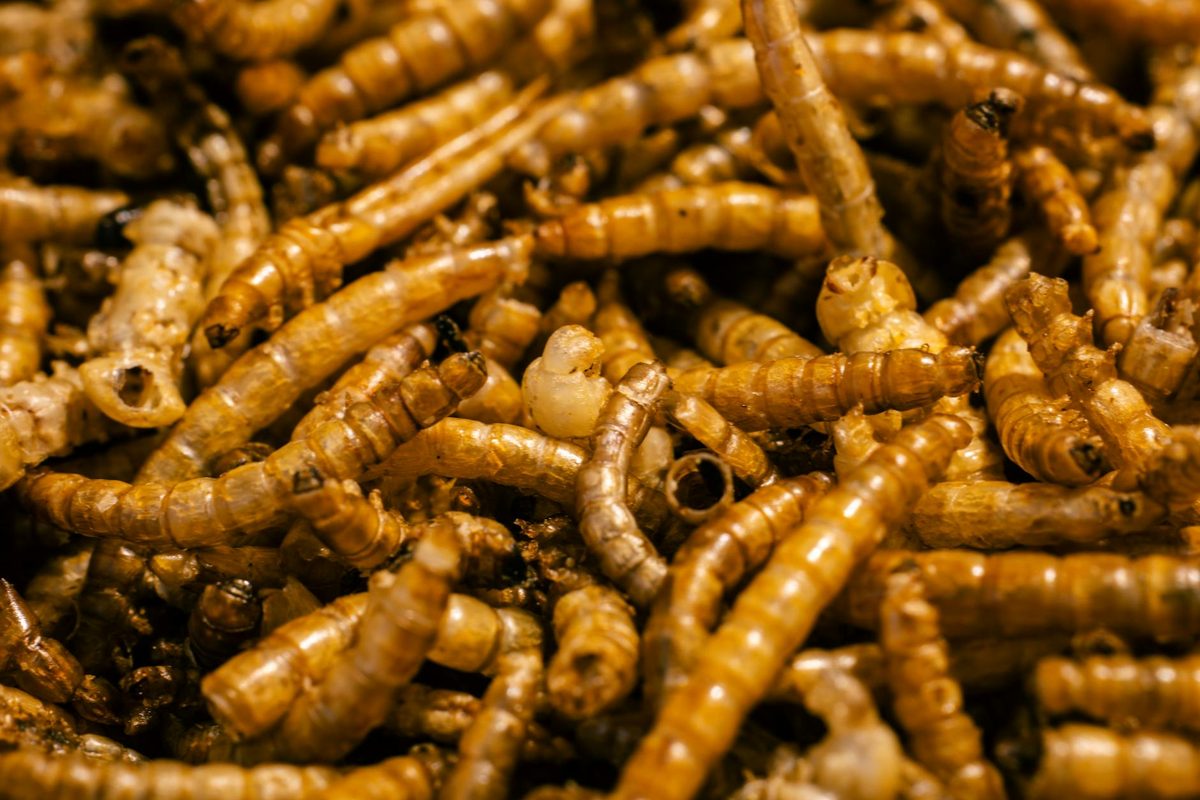
Yes, insect-based dog food is a viable alternative to meat. Black soldier fly larvae protein has an amino acid profile comparable to chicken, and a 2022 study found dogs maintained healthy body condition and blood parameters on it over 12 weeks. It is particularly well-suited to dogs with multiple protein allergies, and its environmental footprint is substantially lower than conventional meat, requiring far less water, land, and producing far fewer greenhouse gases.
Insect protein dog food has moved from novelty to mainstream in the UK over the past three years. Brands including Yora, Jiminy's, and Grubby now stock in major pet retailers, and the category is growing. The question for dog owners is whether insect protein is actually good for dogs, or a marketing trend riding on sustainability concerns.
Is Insect Protein Nutritionally Complete for Dogs?
Yes, when correctly formulated. Black soldier fly larvae (BSFL), the most commonly used insect in dog food, has a protein profile comparable to chicken. A 2022 study published in the Journal of Nutritional Science found that dogs fed a diet based on BSFL protein maintained healthy body condition scores, coat quality, and blood parameters equivalent to dogs on conventional meat diets over a 12-week trial.
The amino acid profile of insect protein is generally well-matched to canine requirements, including adequate levels of lysine, methionine, and tryptophan. Insect-based foods also contain medium-chain fatty acids, which support immune function.
The key qualifier is "when correctly formulated." An insect protein food still needs appropriate carbohydrate sources, vitamins, and minerals to be complete and balanced. Look for the PFMA (Pet Food Manufacturers' Association) complete food designation, which indicates the food meets established nutritional standards.
What Are the Sustainability Advantages?
The environmental case for insect protein is well-documented. Compared to producing equivalent protein from chicken:
- Insects produce approximately 100 times less greenhouse gas per kilogram of protein
- They require approximately 2,000 times less water
- They can be farmed on organic waste streams, reducing the need for dedicated crop production
- They use a fraction of the land area required for conventional livestock
For dog owners who are concerned about the environmental footprint of their dog's diet (pet food accounts for approximately a quarter of livestock-derived environmental impacts, according to a 2017 UCLA study), insect protein is the most substantiated lower-impact alternative currently available in the UK.
Which Dogs Benefit Most From Insect Protein?
Dogs with multiple protein allergies. Dogs that have developed reactions to chicken, beef, lamb, and fish present a significant dietary challenge. Insect protein is sufficiently novel that most dogs have no prior exposure and therefore no established allergic response. It is increasingly recommended by veterinary dermatologists as an elimination diet option.
Dogs with sensitive stomachs. Insect protein tends to be highly digestible. Dogs that experience loose stools or gas on conventional meat proteins often tolerate insect-based foods well.
Environmentally motivated owners. For owners who want to reduce the environmental impact of their dog's diet without compromising nutrition, insect protein is a straightforward swap.
How Do UK Insect Dog Foods Compare?
| Brand | Protein Source | Complete? | FurScore | Approximate Monthly Cost |
|---|---|---|---|---|
| Yora (Dry) | Black soldier fly larvae | Yes | 8.1 | £40 to £55 (10kg dog) |
| Grubby (Wet) | Black soldier fly larvae | Yes | 7.9 | £50 to £70 (10kg dog) |
| Jiminy's | Cricket | Yes | 7.6 | Not widely available UK |
| Entoma | BSFL + vegetable | Yes | 7.8 | £35 to £50 (10kg dog) |
Yora is currently the most widely distributed UK insect-based dog food and has the longest track record of UK customer data.
Are There Any Drawbacks?
Insect protein dog food typically costs 20 to 40% more than equivalent conventional protein foods. For owners on a budget, this is the primary barrier.
Long-term feeding data is less extensive than for conventional meat-based diets, simply because the category is newer. The existing evidence is positive, but owners feeding insect protein as a long-term complete diet should ensure their vet reviews bloodwork at annual check-ups.
Some dogs, particularly those accustomed to strong-smelling meat-based food, may initially be reluctant to eat insect-based food. Transitioning gradually over two weeks typically resolves this.
Our Verdict
Insect-based dog food is a nutritionally sound, well-evidenced option that is particularly well-suited to dogs with multiple protein allergies and owners who want a lower-environmental-impact diet. The cost premium is real, but for the right dog and owner it represents a genuine improvement in both nutrition management and sustainability.

Find the best food for your dog
Browse our independent, algorithm-based ratings for every dog food sold in the UK.
Browse Dog Foods →