The Short Answer
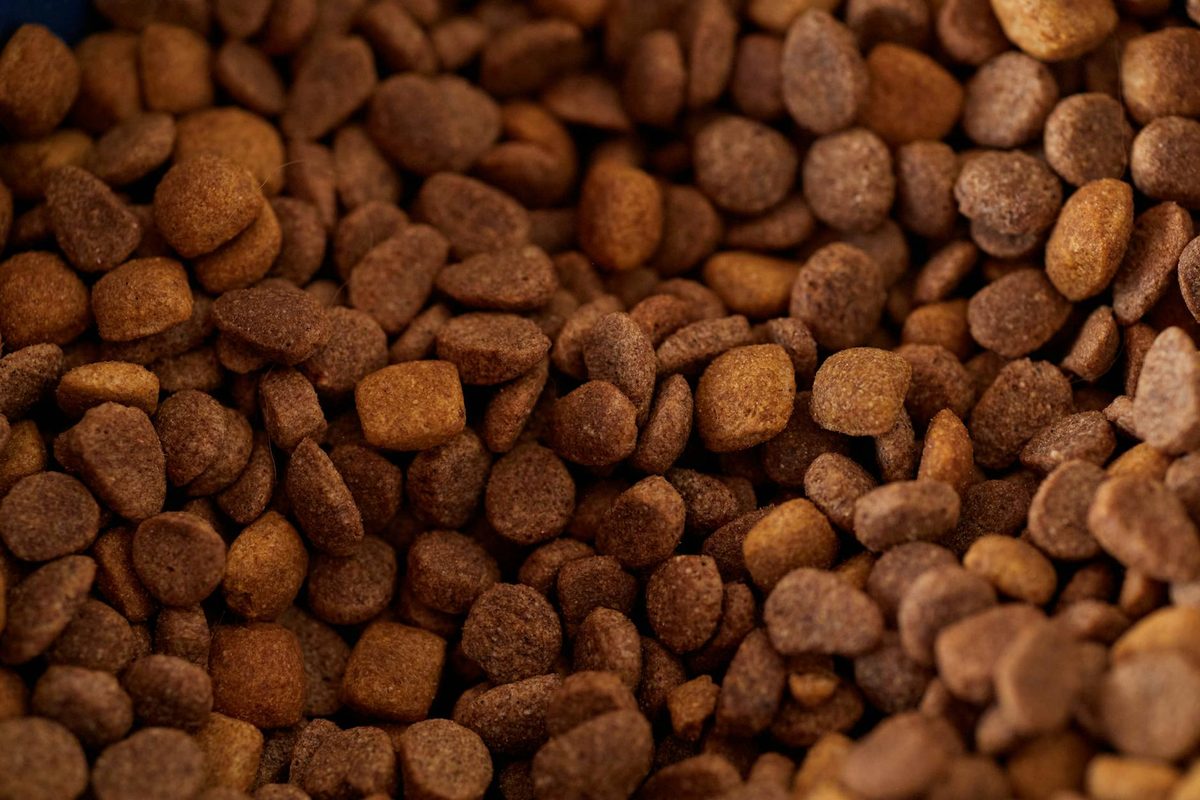
Large breed dogs need a diet with controlled calcium and phosphorus levels to support steady skeletal development without increasing the risk of developmental orthopedic disease, particularly during puppyhood. Foods should include high-quality protein for muscle maintenance, appropriate fat levels to manage weight, and omega-3 fatty acids to reduce joint inflammation. Brands such as Orijen (38% protein, FurScore 4.8) and Acana (32% protein, FurScore 4.7) score highly for large breeds, while most puppies should remain on a large-breed puppy formula until 12 to 24 months. Ingredients like glucosamine and chondroitin provide additional support for cartilage and joint health as these dogs grow.
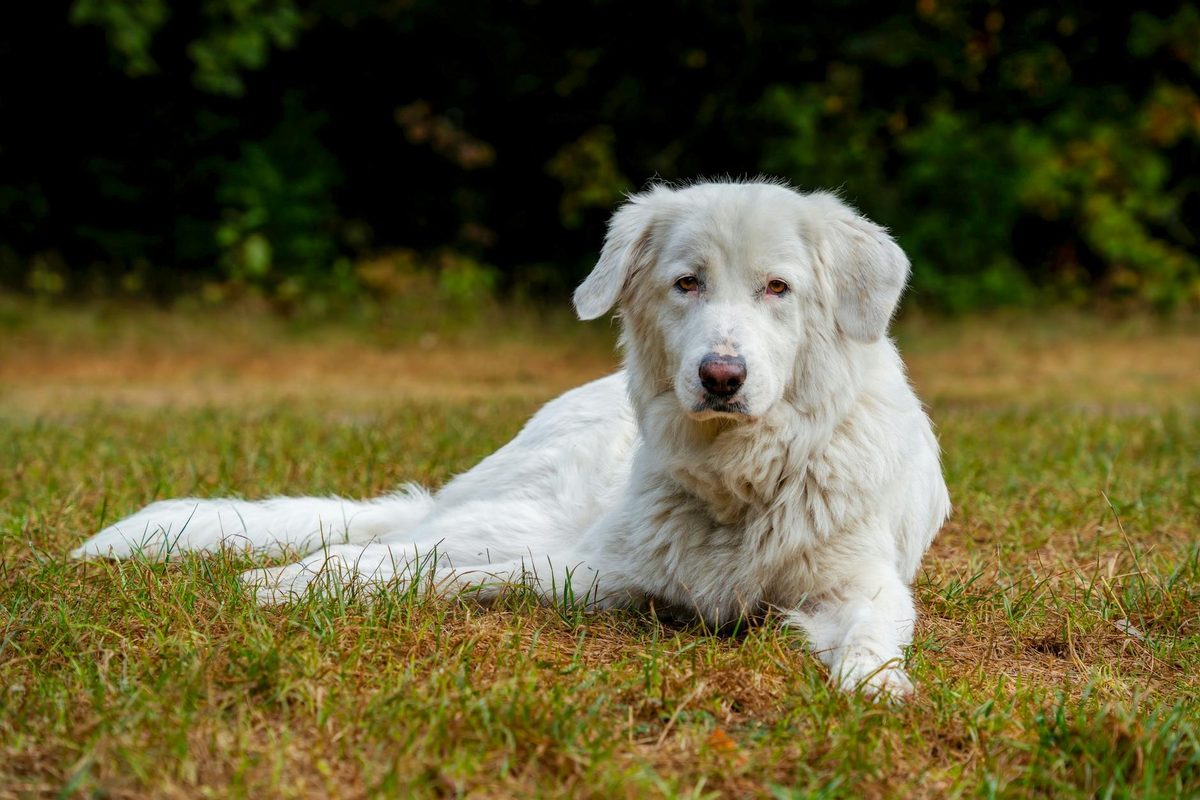
Large breed dogs have unique nutritional needs that differ significantly from smaller breeds. Choosing the right dog food can help support their growth, maintain a healthy weight, and prevent common health issues. Understanding these special considerations is essential for every dog owner who wants the best for their furry friend.
Is large breed dog food really necessary?
Yes, large breed dog food is specifically formulated to meet the unique nutritional requirements of bigger dogs. These formulas typically contain a balanced ratio of nutrients to address concerns such as slower growth rates and joint health. Large breed puppies, for example, require less calcium and phosphorus than smaller breeds to support their skeletal development without contributing to bone deformities.
Why do large breeds need specific food?
Large breeds often face specific health issues, such as hip and elbow dysplasia, which can be influenced by their diet. A study published in the Journal of the American Veterinary Medical Association found that a controlled diet can reduce the incidence of developmental orthopedic disease in large and giant breed puppies. Additionally, large breed dog foods often have controlled fat levels to help manage weight and prevent excessive growth rates, which can lead to joint problems.
What nutrients are essential in large breed dog food?
Large breed dog food should contain high-quality protein, appropriate fat levels, controlled calcium and phosphorus, and omega fatty acids.
- High-Quality Protein: Essential for muscle development and repair.
- Appropriate Fat Levels: Helps maintain a healthy weight.
- Controlled Calcium and Phosphorus: Supports healthy bone growth without the risk of growing too quickly.
- Omega Fatty Acids: Aid in skin health and reduce inflammation, benefiting joint health.
Which ingredients should I avoid in large breed dog food?
It's important to steer clear of certain ingredients that can negatively impact the health of large breed dogs. Avoid foods that contain:
- Too Much Calcium: Excess calcium can lead to skeletal issues.
- Low-Quality Fillers: Ingredients like corn and wheat can be hard for dogs to digest.
- Artificial Additives: Preservatives, colours, and flavors may not be necessary and can cause allergies.
A British Pet Food Manufacturers Association (PFMA) survey found that many dog owners prioritise high-quality, natural ingredients for their pets, which is wise advice for managing the health of large breeds.
What are the best brands for large breed dog food in the UK?
From the various options available, several brands stand out in terms of quality and nutritional content.
| Brand | Food Type | Protein % | Best For | FurScore Rating |
|---|---|---|---|---|
| Royal Canin | Dry | 28% | Puppies 0-15 months | 4.5 |
| Hill's Science Plan | Dry | 25% | All life stages | 4.6 |
| Orijen | Dry | 38% | Active large breeds | 4.8 |
| Acana | Dry | 32% | Weight management | 4.7 |
Each of these brands scores highly on the FurScore rating due to their focus on quality ingredients and balanced nutrition tailored for large breeds. Hill’s, for instance, is known for its vet-recommended formulas that effectively cater to size and health concerns.
How much should I feed my large breed dog?
The amount you should feed your large breed dog depends on their age, size, and activity level.
Step 1: Check the feeding guidelines on the dog food package
Most brands provide specific measurements based on the dog's weight.
Step 2: Adjust based on activity level
If your dog is more active, consider increasing the portion slightly. If they are less active, reduce the amount to maintain a healthy weight.
Step 3: Monitor your dog's body condition
Adjust feeding amounts accordingly. Regularly check for any weight gain or loss and consult with your vet for tailored advice.
Why is joint health important for large breed dogs?
Joint health is critical for large breed dogs due to their increased risk of musculoskeletal disorders. Conditions like hip dysplasia and arthritis can severely impact their quality of life. Nutritional support through the right dog food can help reduce these risks.
Key Ingredients for Joint Health
- Glucosamine and Chondroitin: These help support cartilage and joint health.
- Omega 3 Fatty Acids: Known for their anti-inflammatory properties, these are beneficial for joints.
A study published in the journal Veterinary Clinics found that dogs with diets rich in omega fatty acids had improved joint function and comfort. Feeding your large breed dog a food that emphasises joint health can significantly enhance their daily life.
When should I switch my large breed puppy to adult food?
Typically, you should transition your large breed puppy to adult food around 12 to 24 months, depending on their size and breed. Larger breeds might take longer to reach maturity, and switching too early can lead to nutritional deficiencies.
Step 1: Monitor Growth
Use a growth chart and consult with your vet to determine the right time.
Step 2: Choose the right adult food
Select a food that continues to support joint health and maintains the ideal weight.
Step 3: Gradual Transition
Follow the guidelines for switching dog food to avoid gastrointestinal issues.
What do vets say about large breed dog food?
Veterinarians generally recommend large breed-specific dog food for optimal health, especially for puppies. The British Veterinary Association supports tailored nutrition as an essential aspect of managing growth and preventing common health problems. According to Dr. Lizzie Sykes, a veterinary nutritionist, "Feeding a dedicated formula can significantly enhance a large or giant breed dog's quality of life and longevity."
Our Verdict
Choosing the right large breed dog food is crucial for your big dog’s health and wellbeing. Look for high-quality ingredients with the right balance of nutrients to support their specific needs. By being informed and selecting food based on evidence, you can help your large breed dog thrive.
For more insights on picking the best food for specific needs, check out our guides on Best Budget Dog Foods in the UK: Nutrition Without Breaking the Bank and Best Dog Foods for Sensitive Stomachs. Investing in their nutrition today can pave the way for a healthier tomorrow!

Find the best food for your dog
Browse our independent, algorithm-based ratings for every dog food sold in the UK.
Browse Dog Foods →