The Short Answer
Small breed dogs have faster metabolisms than larger breeds and need roughly 40 calories per pound of body weight each day, so a standard formula often falls short on energy density. Look for a food with at least 20% protein from a named meat source, 8–15% fat, and a small kibble size that flat-faced or small-jawed dogs can chew safely. Top-rated UK options such as Purina Pro Plan Small & Toy Breed (30% protein, FurScore 8.7) and Royal Canin Mini Adult (29% protein, FurScore 8.5) are formulated specifically for these requirements. If you are considering a grain-free option, be aware of the FDA's ongoing investigation into a possible link between grain-free diets and canine dilated cardiomyopathy before making the switch.
Small breed dog food is vital for the health and well-being of smaller dogs due to their unique nutritional needs. Formulated specifically for smaller breeds, these foods typically have higher energy density and tailored ingredients. Choosing the right food can help your small dog thrive.
Why is small breed dog food important?
Small breed dog food is critical because smaller dogs have different energy needs compared to larger breeds. They often require a higher calorie intake per pound of body weight, as they tend to have faster metabolisms. This means a standard dog food may not provide the necessary nutrients in the right proportions, leading to potential health issues.
What should you look for in small breed dog food?
When selecting small breed dog food, focus on key ingredients and nutritional content. Here are essential factors to consider:
- High Protein: Small breeds benefit from higher protein levels to support their active lifestyles.
- Quality Ingredients: Look for named meat sources as the primary ingredient, ensuring high-quality protein.
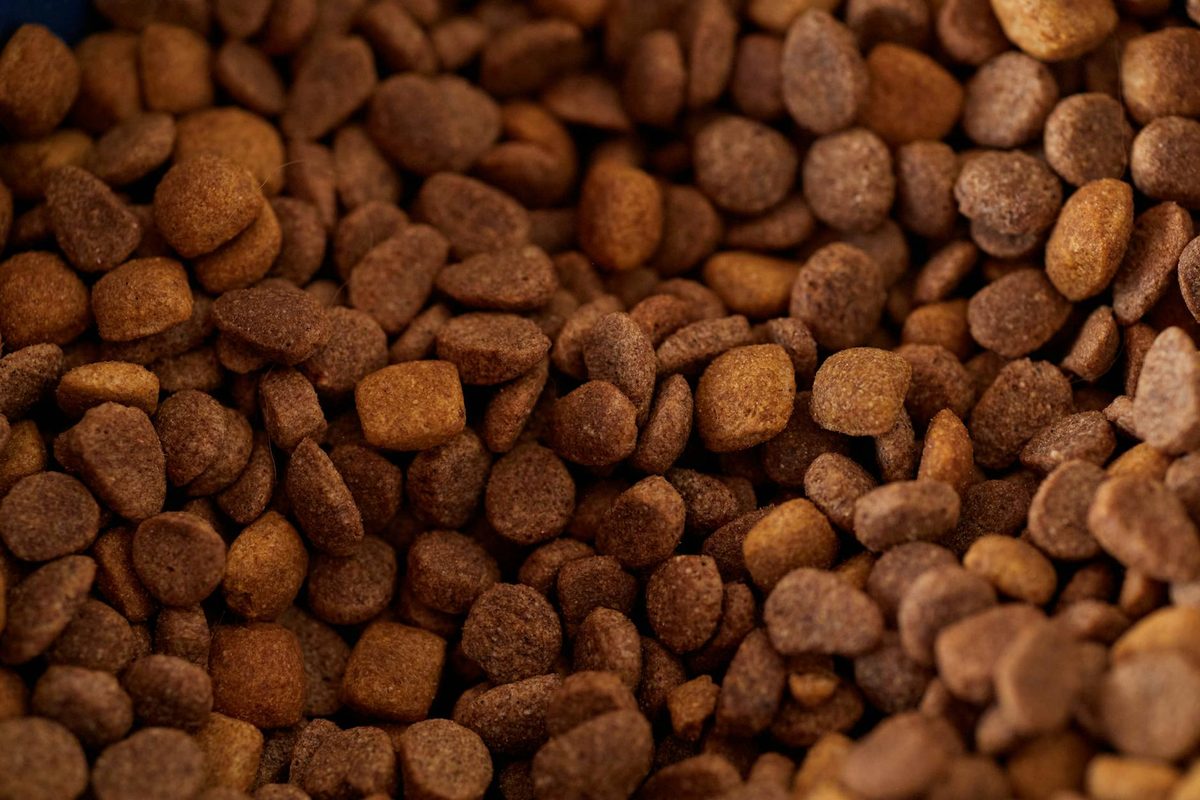
- Small Kibble Size: The kibble should be small enough for your dog to chew easily without choking.
- Life Stage Appropriate: Consider whether your dog is a puppy, adult, or senior, as nutritional needs vary with age.
Is grain-free dog food suitable for small breeds?
Grain-free dog food can be suitable for small breeds but may not be necessary for all dogs. Some small breeds may have sensitivities to grains, while others thrive on them. It's essential to monitor your dog's reaction to grain-free diets.
Here are some key points regarding grain-free dog food:
- Nutritional Balance: Ensure that the grain-free option still meets the required protein and fat levels.
- Potential Health Risks: The FDA has investigated a potential link between grain-free diets and canine dilated cardiomyopathy (DCM) in some breeds.
- Personal Preference: If you choose grain-free, ensure that the carbohydrate sources are from safe and nutritious vegetables or legumes.
Which nutrients are crucial for small breeds?
Small breed dogs require specific nutrients that cater to their metabolism and activity levels. Some essential nutrients include:
- Protein: Critical for muscle maintenance. Aim for at least 20% protein in their diet.
- Fats: Healthy fats are a concentrated source of energy, helping keep your small dog active and healthy; aim for about 8-15% fat.
- Vitamins and Minerals: Important for immune function and overall health. Ensure the food is balanced and meets AAFCO standards.
Which UK brands offer the best small breed dog food?
Several UK brands offer highly rated small breed dog foods based on FurScore ratings. Here's a comparison of some top-rated products:
| Brand | Product Name | Protein % | Fat % | Best for | FurScore Rating |
|---|---|---|---|---|---|
| Royal Canin | Mini Adult Dry Dog Food | 29% | 18% | Adult Small Breeds | 8.5 |
| Hills Science Plan | Small Breed Adult Chicken | 26% | 16% | Adult Small Breeds | 8.3 |
| Purina Pro Plan | Small & Toy Breed Formula | 30% | 16% | Active Small Breeds | 8.7 |
| James Wellbeloved | Small Breed Dry Dog Food | 25% | 15% | Sensitive Stomachs | 8.0 |
| Pedigree | Small Breed Adult Dry Dog Food | 25% | 10% | General Use | 7.5 |
Choosing a high-FurScore rated product ensures that you are selecting a food that is nutritionally balanced and safe for your small dog.
What do vets recommend for small breeds?
Most veterinarians recommend age-appropriate, high-quality diets tailored for small breeds. For example, the British Veterinary Association highlights the importance of choosing foods that promote dental health and support joint care. Additionally, vets often advise avoiding human foods which can lead to obesity and other health issues.
When in doubt, consult your veterinarian to get tailored advice based on your dog's specific health needs.
How much small breed dog food should I feed?
The amount of food you should feed your small breed depends on their age, weight, and activity level. Generally, small breeds require about 40 calories per pound of body weight daily. Here’s a simple guide to portion sizes:
Step 1: Check the food packaging
The feeding guide on the packaging gives you an initial reference point for the amount of food appropriate for the weight of your dog.
Step 2: Monitor your dog’s weight
Regularly weigh your dog to ensure they are maintaining a healthy weight. Adjust portions if necessary.
Step 3: Consult with your vet
Regular vet check-ups can help determine if your feeding strategy is effective for your dog.
Our Verdict
Investing in quality small breed dog food is crucial for your dog’s health and happiness. The right diet can lead to a longer, healthier life, helping your little companion stay active and vibrant. Be sure to explore high-rated options and consider your dog’s unique needs for the best results.
Looking for more information? Check out our article on the Best Dry Dog Foods for Small Breeds in the UK for additional options. Making a knowledgeable choice can set your dog up for a lifetime of health and happiness.

Find the best food for your dog
Browse our independent, algorithm-based ratings for every dog food sold in the UK.
Browse Dog Foods →