Samoyed
The Samoyed is a striking Spitz-type breed that originated in Siberia, where it was traditionally bred for sled hauling, herding reindeer, and guarding nomadic camps.
Today, this medium-sized dog has evolved into a cherished family companion, combining its working heritage with an affectionate, sociable temperament.
25-34kg
Weight
Medium
Size
12-14yrs
Lifespan
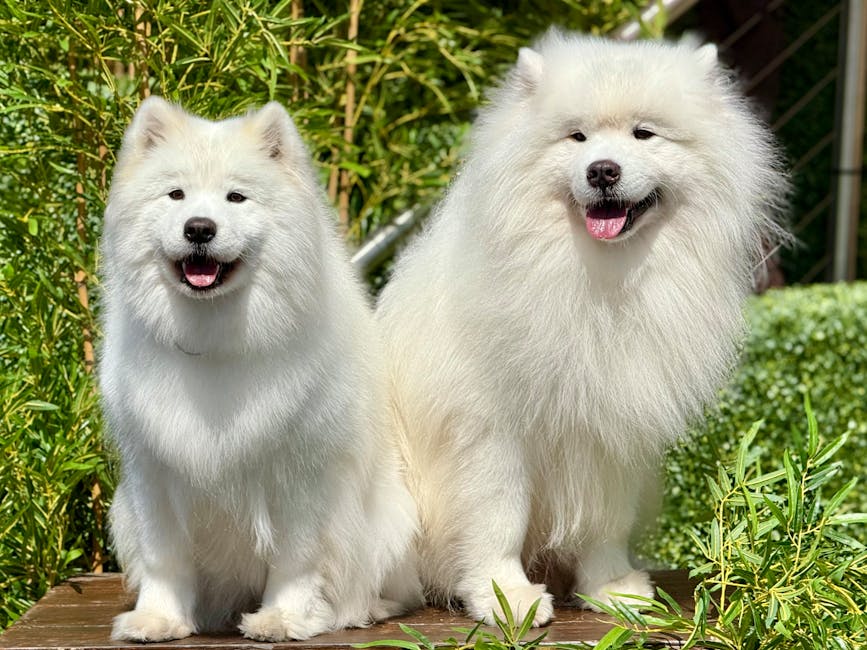
About the Samoyed
Standing 51–61 cm tall and weighing 25–34 kg, Samoyeds are instantly recognisable by their luxurious white double coat and characteristically warm expression, often described as a gentle "smile." Their intelligent, almond-shaped eyes and sturdy build reflect their athletic ancestry. Beyond their handsome appearance, Samoyeds are renowned for their friendly, inquisitive nature and strong desire to be at the heart of family life. They form deep bonds with their owners and are generally excellent with children and other pets, though their vocal nature means they can be talkative, particularly if left alone for extended periods. These quick-witted dogs require more than two hours of daily exercise and mental stimulation to prevent boredom. Their thick coat sheds considerably and demands regular brushing to maintain. Samoyeds thrive with active owners who appreciate their playful personality and can provide consistent training, plenty of interaction, and the grooming commitment their beautiful coat requires. With attentive care, they reward their families with unwavering loyalty and spirited companionship throughout their 12–14 year lifespan.
Samoyed at a Glance
- Group
- Pastoral
- Size
- Medium
- Weight
- 25–34 kg
- Height
- 51–61 cm
- Lifespan
- 12–14 years
- Coat
- Medium
- Sheds
- Yes
- Exercise
- More than 2 hours per day
- Origin
- Siberia
- Colours
- white
- Typical price
- £1100–£2000
Samoyed Temperament
The Samoyed is an affectionate, social, and inquisitive breed that thrives on being at the heart of family life. Despite its arctic working heritage, it adapts well to domestic environments and forms deep bonds with its family, preferring to spend a significant part of each day as an active, loved member of the household. They are friendly and generally good with children and other pets. Quick-witted and mischievous, they need mental stimulation as well as regular physical exercise to prevent boredom. They can be vocal if left alone for long periods. Their enthusiastic participation in all aspects of family life is, for many owners, their most endearing quality.
Samoyed Lifestyle
The Samoyed does best with plenty of indoor space and suits a home with a large garden where they can roam freely. They are happiest in a more rural environment.
Dog Food for Samoyed
Top-rated foods for Medium breeds, ranked by FurScore. How we score →
Nutrition & Diet
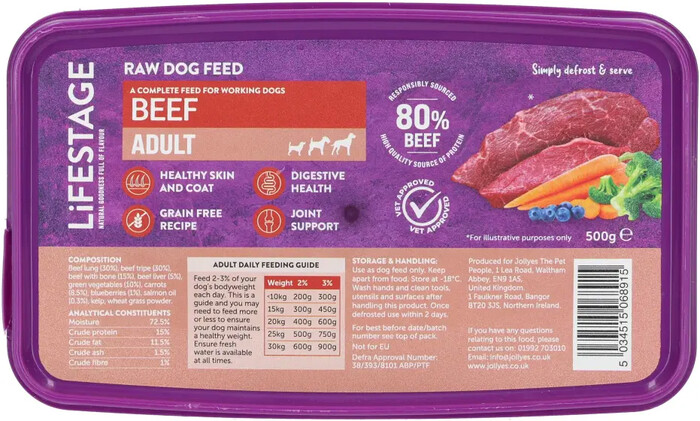
White-furred dogs are more likely to experience various allergies, including food allergies. The gentle, gluten-free formula can be a fantastic choice for a samoyed. With dogs of this breed, you have to pay attention to levels of copper and beta-carotene in the diet that you feed - formulas with too high levels of any of those ingredients can lead to discolouration in dog’s fur. Samoyed dogs are an active breed, but remember that every dog is different. While choosing a diet base your decision on your dog’s body mass, age and individual preferences. To take additional care of your dog’s skin and coat you can increase the intake of omega-3 and omega-6 fatty acids that are known for their positive influence on skin and hair condition. Suitable products for adult Samoyeds are for example & Coat Adult.
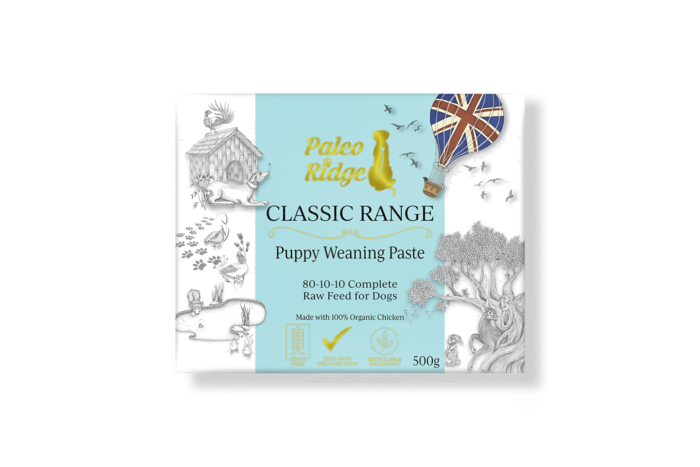
Recommended Food for Samoyed




Samoyed Food Costs
Estimated based on a typical Samoyed weighing around 30 kg, using the food prices shown above.
Per day
£5.22 - £6.68
Per month
£157 - £200
Per year
£1906 - £2437
Samoyed Characteristics
The Samoyed is a high-energy breed that needs a real outlet every day and is one of the easier breeds to train. They are a fantastic choice for families with children, but handle being left alone fairly well with the right routine. The coat requires moderate upkeep and is a moderate shedder. Exceptionally clever, they thrive when given jobs to do or puzzles to solve.
Samoyed Pros & Cons
Pros
- Highly affectionate and playful, forming warm and close bonds with the whole family
- Their thick double coat provides excellent protection in cold weather
- Versatile and intelligent, adapting well to different roles and environments
- Sociable and friendly with children and other pets, they fit well into family life
Cons
- Their coat needs regular brushing and occasional professional grooming to stay in good condition
- Their independent nature can make training a challenge for less experienced owners
- A strong prey drive means careful management is needed around smaller animals
- Can be vocal by nature, so early training to manage barking is worth the effort