The Short Answer
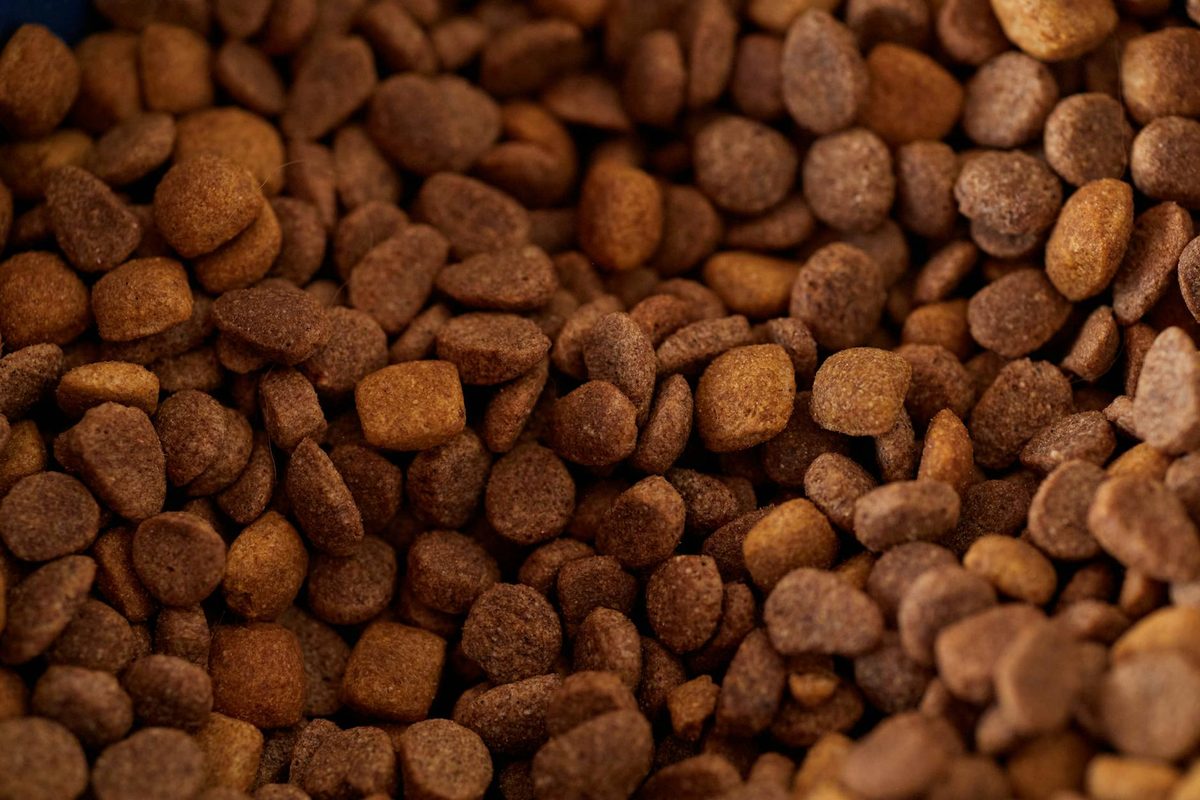
The best dog food for weight loss combines high protein to preserve muscle mass, increased fibre to promote fullness, and a controlled calorie count — a practical starting point is reducing your dog's daily intake by around 20% from their maintenance requirement. Low-calorie vegetables such as carrots or cucumber can replace calorie-dense treats without leaving your dog hungry. Hill's Science Diet (25% protein, FurScore 9.1) and Purina Pro Plan (30% protein, FurScore 8.5) are among the highest-rated UK options formulated specifically for weight management in adult dogs.
When it comes to helping your dog reach a healthy weight, choosing the right dog food for weight loss is crucial. Opt for nutritional options that are low in calories but high in essential nutrients. It is important to balance their diet with regular exercise to achieve lasting results.
What is the best dog food for weight loss?
The best dog food for weight loss should be formulated with a lower calorie content while still providing essential nutrients. Look for options with increased fibre and protein to support healthy weight management. Many UK brands offer specific weight-loss formulas that cater to these needs, along with flavour that makes feeding time enjoyable for your dog.
Key ingredients to look for
When selecting dog food for weight loss, focus on these key ingredients:
- High Protein: Helps maintain muscle mass while your dog loses fat.
- Increased Fibre: Keeps your dog feeling full, reducing the urge to snack.
- Controlled Calories: Low in calories but nutritionally dense to support weight loss.
Top brands for weight loss dog food
Here’s a comparison table of recommended brands for dog food designed for weight loss:
| Brand | Type | Protein % | Best For | FurScore Rating |
|---|---|---|---|---|
| Hill's Science Diet | Dry food | 25% | Adult dogs | 9.1 |
| Royal Canin | Wet food | 23% | Small breeds | 8.8 |
| Purina Pro Plan | Dry food | 30% | Active dogs | 8.5 |
| James Wellbeloved | Dry food | 26% | Sensitive stomachs | 8.4 |
How much should I feed my dog for weight loss?
You should feed your dog a precise amount based on their ideal weight, activity level, and the specific calorie content of the food you choose. The standard guideline is to reduce their daily intake by about 20% from what it would be for maintenance. Consult with your vet for tailored advice on calorie reduction.
Using feeding guidelines
Most dog food packaging includes a feeding guideline based on your dog's weight. For example, if your dog weighs 20 kg and the guideline suggests 300 calories for maintenance, you would aim for around 240 calories for weight loss.
Step 1: Calculate your dog's ideal weight
A rough calculation can help you estimate your dog's ideal weight based on their breed and size. This weight should then determine your target calorie intake for weight management.
Step 2: Adjust food portions accordingly
If you are using a weight loss-specific dog food, always refer to the specific feeding recommendations on the package. Adjust portion sizes evenly across their meals to prevent excessive hunger or discomfort.
Is it safe to use homemade dog food for weight loss?
Yes, homemade dog food can be safe for weight loss, provided it is well-balanced and nutritionally complete. However, it is important to consult your vet to ensure that all essential nutrients are included in the recipes.
Pros and cons of homemade dog food
| Pros | Cons |
|---|---|
| Customisable to your dog’s needs | Requires time and effort |
| May use higher quality ingredients | Possible nutrient imbalances |
| Often more palatable | Need for careful portion control |
What do vets say about weight loss diets for dogs?
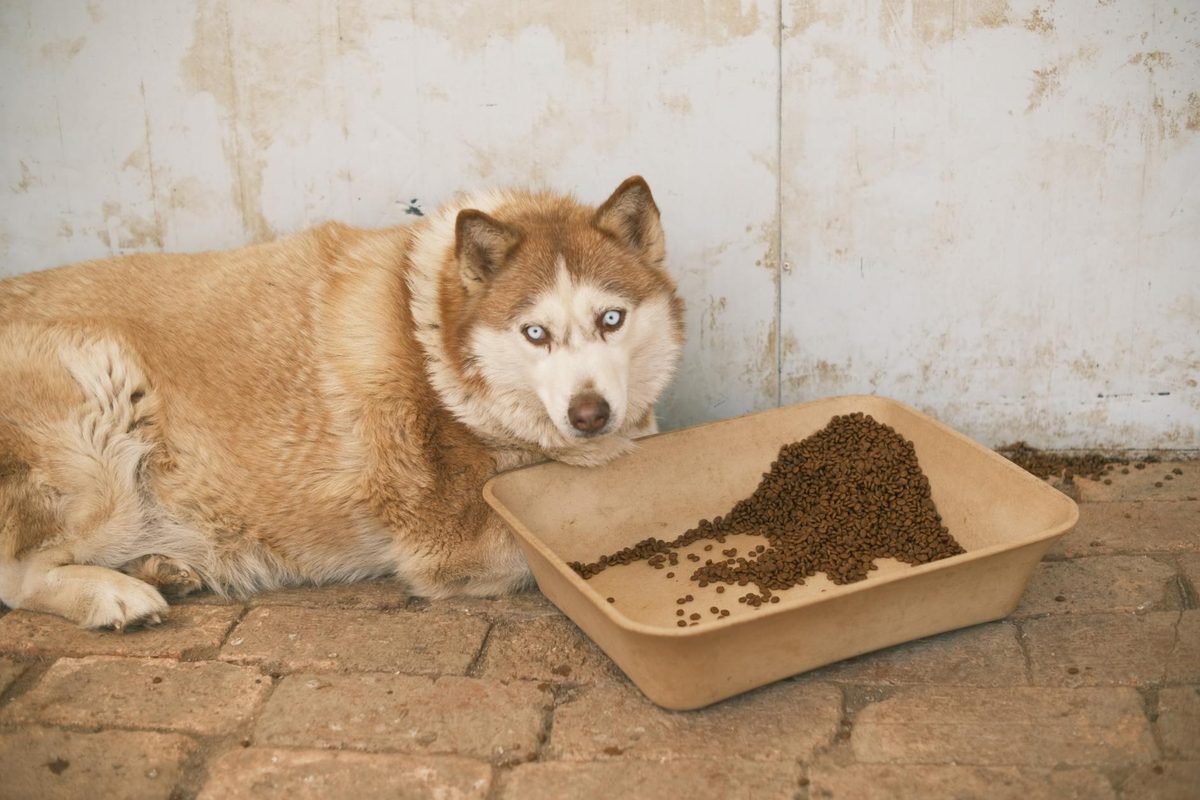
Veterinarians widely agree that weight management is crucial for a dog’s overall health. Obesity can lead to numerous health issues, including arthritis, diabetes, and heart disease, making effective dietary changes essential for proactive dog owners.
Expertise matters
According to a study by the British Veterinary Association (BVA), dogs that maintain optimal weight tend to live longer and have better quality of life. Regular veterinary check-ups and ongoing progress assessments are vital while your dog is on a weight-loss journey.
Which are the most common pitfalls when feeding dogs for weight loss?
Common pitfalls include not measuring food accurately, relying on commercial food without reviewing the ingredient list, and underestimating the impact of treats. Watch out for hidden calories in snacks, and always factor them into your dog's daily intake.
Avoiding canine cravings
Recognising signs of hunger versus habit is important. If your dog seems hungry, try offering low-calorie vegetables like carrots or cucumber as treats.
How can I ensure my dog stays motivated during weight loss?
Engaging in regular exercise can greatly enhance your dog's motivation. Combining their new diet with daily activities like walking, running, or playing fetch can make a big difference.
Establishing a routine
Creating a consistent routine helps your dog adjust to weight loss goals better. Schedule meals and walk times at the same part of the day so your dog knows when to expect food and activity.
Step 3: Be patient
Weight loss will not happen overnight. Track your dog's weight weekly and celebrate progress without resorting to food rewards. Praise and extra playtime can often be the best motivation.
Our Verdict
Choosing the correct dog food for weight loss involves finding nutritional options that support your dog's health while managing calorie intake. Paying attention to ingredients, feeding guidelines, and maintaining a consistent exercise regimen will empower you to help your dog achieve and maintain a healthy weight. Investing in your dog's nutrition pays off in their long-term happiness and well-being.
For more tailored insights on dog nutrition, check out our guide on How Much Should You Feed Your Dog? or explore options in Best Budget Dog Foods in the UK: Nutrition Without Breaking the Bank.
Find the best food for your dog
Browse our independent, algorithm-based ratings for every dog food sold in the UK.
Browse Dog Foods →