Creating a feeding schedule for your puppy is essential to ensure they receive the proper nutrition for healthy growth and development. A well-planned puppy feeding schedule not only helps establish routine but also aids in preventing common health issues that can arise from improper feeding. This guide provides a month-by-month breakdown tailored to your puppy's needs.
The Short Answer
Feed puppies four times a day from 8 to 12 weeks, dropping to three meals at around 3 to 4 months, then two meals a day from six months onwards. Use a food labelled "complete and balanced" for puppies, and follow the feeding chart on the packaging as a starting point, adjusting for your puppy's growth and your vet's guidance.
Why Is a Puppy Feeding Schedule Important?
Establishing a feeding schedule is crucial for your puppy’s physical and mental well-being. It helps with digestion, prevents overeating, and promotes good behaviour as they learn to anticipate feeding times. Moreover, balancing the right type and amount of food leads to healthy growth in your puppy.
How Many Meals Should I Feed My Puppy?
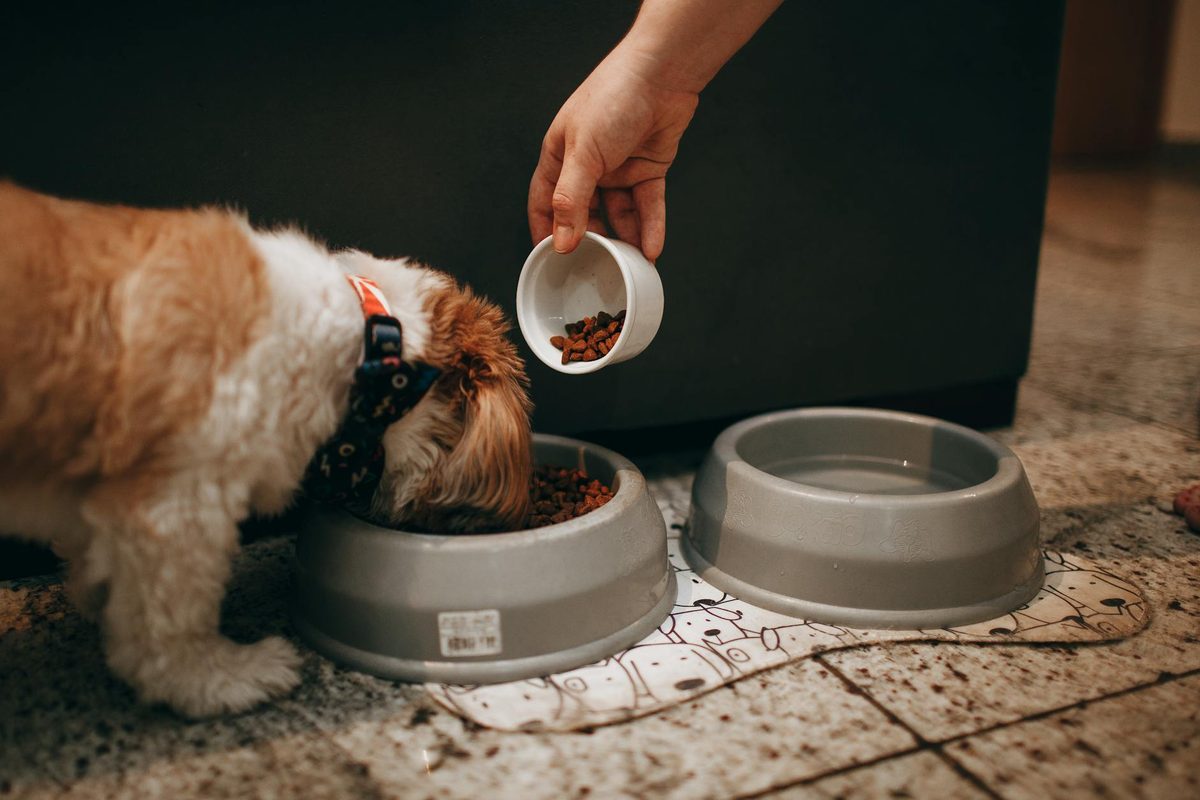
Puppies aged 8 to 12 weeks should be fed four meals a day. This frequent feeding supports their rapid growth and energy needs. As they approach six months, you can gradually transition to three meals, finally settling on two meals daily by the one-year mark.
Transitioning the Feeding Schedule
- 8 to 12 Weeks: Start with four meals a day. Choose a high-quality puppy food that is rich in protein and flavour, crucial for this growth stage.
- 3 to 4 Months: Reduce to three meals a day. Monitor your puppy’s weight and adjust the portions as necessary based on their activity level and breed.
- 6 Months: Begin offering two meals a day. Choose a routine that fits your family schedule, ensuring consistency.
What Should I Feed My Puppy?
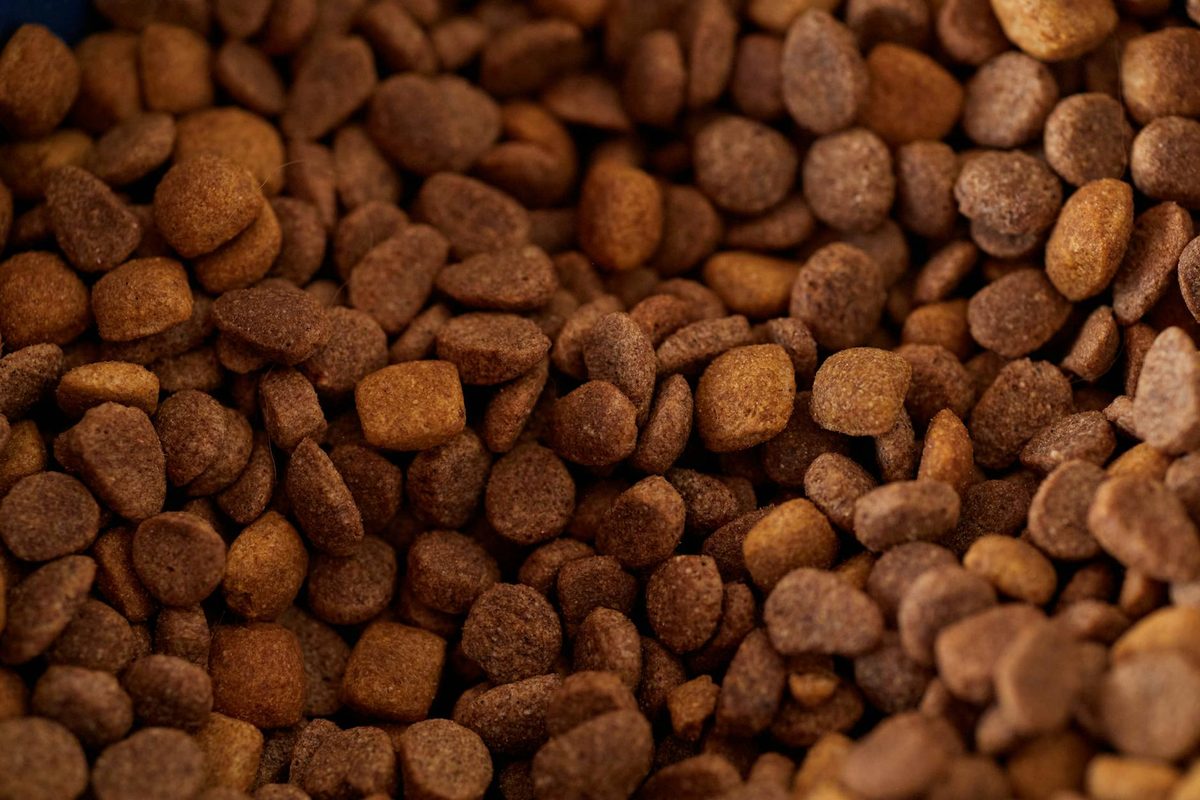
Choosing the right food is critical to your puppy's health, with options including dry kibble, wet food, or a combination of both. Look for products that are labelled as 'complete and balanced' to ensure they meet the minimum nutritional standards set by the PFMA (Pet Food Manufacturers' Association).
| Food Type | Protein % | Best for | FurScore Rating |
|---|---|---|---|
| Dry Puppy Food | 22% - 30% | Overall growth and health | 4.5 - 5 stars |
| Wet Puppy Food | 8% - 16% | Hydration and palatability | 4.0 - 5 stars |
| Raw Puppy Food | 25% - 35% | Active breeds | 4.5 - 4.8 stars |
Recommended Brands
- Royal Canin Puppy: Tailored for small and medium breeds, with an optimal balance of nutrients.
- Harringtons Puppy: A budget-friendly option that doesn’t compromise on quality, featuring natural ingredients.
- Lilys Kitchen Puppy Food: Organic options rich in natural ingredients, with high meat content.
What About Treats?
Treats can be introduced from about 3 months old, but they should not make up more than 10% of your puppy's daily caloric intake. Consider using pieces of your puppy’s standard kibble as a treat to keep calorie counts in check while providing training incentives.
How Much Food Should I Feed My Puppy?
Portion size depends on your puppy's age, weight, and specific food brand guidelines. Puppy food packaging often includes feeding charts based on these factors. Always consult with your vet to adjust portions based on your puppy’s growth and health.
Sample Feeding Chart
| Age | Weight (kg) | Food Amount (g) per day |
|---|---|---|
| 8 to 12 weeks | 2-5 | 100-150 |
| 4 months | 5-10 | 150-250 |
| 6 months | 10-20 | 250-350 |
| 12 months | 20+ | 350-450 |
Common Feeding Mistakes to Avoid
- Overfeeding: This can lead to obesity and related health issues. Follow feeding guidelines closely.
- Irregular feeding times: Inconsistent schedules can confuse your puppy and lead to behavioural issues. Stick to a routine.
- Skipping meals: It is essential not to skip meals or change the feeding schedule abruptly.
What Do Vets Recommend for Puppy Feeding?
Veterinarians recommend a balanced puppy diet that includes adequate protein, fat, and essential vitamins and minerals. A British Veterinary Association (BVA) survey indicated that many dog owners misunderstand the needs of growing puppies. Always consult a veterinarian if unsure about diet or feeding schedules.
Our Verdict
Establishing a structured puppy feeding schedule is essential for your dog's growth and development. Start with frequent meals, choose appropriate puppy food, and adjust portions according to your puppy’s needs. Remember that consistency and quality are key components of a successful feeding routine. For more insights on what to feed your growing dog, explore our article on Best Puppy Foods in the UK: What to Feed in the First Year.

Find the best food for your dog
Browse our independent, algorithm-based ratings for every dog food sold in the UK.
Browse Dog Foods →