The Short Answer
Puppies need a complete and balanced formula labelled specifically for puppies, with a named protein such as chicken, fish, or lamb as the first ingredient, alongside healthy fats from fish oil or chicken fat to support brain and skin development. Feed four meals a day up to three months, reducing to two by six months, and switch to adult food gradually between 12 and 18 months depending on breed size. Highly rated options include Orijen at 38% protein (FurScore 4.8) for active puppies and Akela at 32% protein (FurScore 4.7) for those on a grain-free diet.
Puppy nutrition plays a crucial role in ensuring healthy growth, development, and overall well-being. Choosing the right food and understanding when to make the switch can significantly impact your puppy's health and happiness.
What is the best food to feed a puppy?
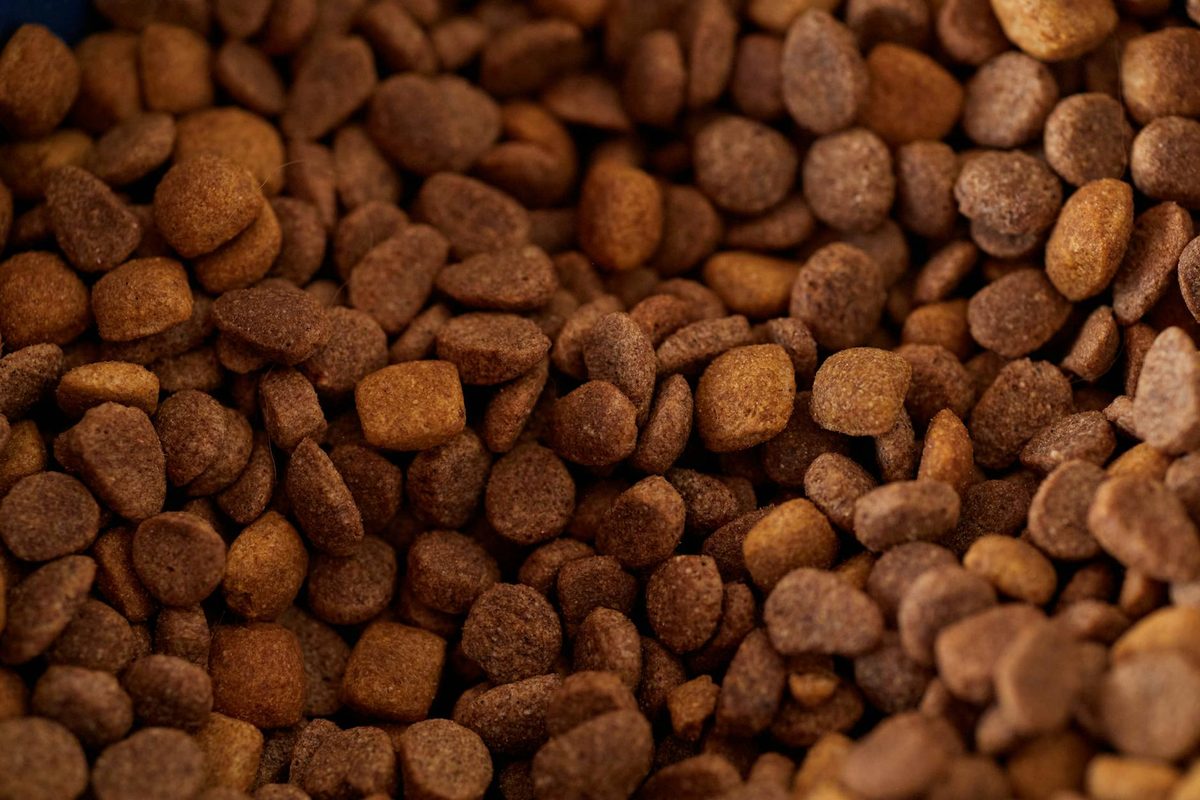
The best food to feed a puppy is a high-quality, balanced puppy formulation that meets their unique nutritional needs. Puppies require specific levels of protein, fats, and essential nutrients to support their rapid growth and development.
When selecting puppy food, focus on products labelled specifically for puppies, as adult dog food may not provide adequate nourishment. Look for complete and balanced formulas that comply with the AAFCO (Association of American Feed Control Officials) standards for puppies.
Key Ingredients to Look For:
- Protein Sources: Look for high-quality protein sources like chicken, fish, or lamb listed as the first ingredient.
- Healthy Fats: Essential fatty acids from fish oil or chicken fat are important for brain and skin health.
- Vitamins and Minerals: These support growth, immune function, and bone development.
Here are a few reputable UK brands that are known for their puppy foods:
| Brand | Protein % | Best For | FurScore Rating |
|---|---|---|---|
| Royal Canin | 28% | All breeds | 4.6 |
| Hills Science Diet | 25% | Sensitive tummy | 4.5 |
| Orijen | 38% | Active puppies | 4.8 |
| Akela | 32% | Grain-free | 4.7 |
When should I switch from puppy food to adult dog food?
You should switch from puppy food to adult dog food when your puppy reaches adulthood, which is typically between 12 to 18 months of age, depending on their breed. Larger breeds may take longer to mature and should remain on puppy food longer than smaller breeds.
The change should be gradual, over at least a week, to prevent digestive upset. Begin by mixing a small amount of adult food with their puppy food and increasing the adult food portion gradually.
Signs Your Puppy is Ready for the Switch:
- Age: Most veterinarians suggest transitioning at 12 months, or later for larger breeds.
- Weight: If your puppy is close to reaching their ideal body weight, it may be time to switch.
- Energy Levels: If their energy demands have stabilised, consider moving to adult food.
How do I ensure my puppy’s diet is balanced?
To ensure your puppy’s diet is balanced, choose a high-quality puppy food formulated to meet their growing needs. Regular consultations with your veterinarian can help you verify that your puppy is receiving the right nutrition and making healthy progress.
Steps to Maintain a Balanced Diet:
Step 1: Read Labels Carefully
Look for food that meets AAFCO guidelines. This will indicate the food is nutritionally complete for puppies.
Step 2: Monitor Weight
Regularly check your puppy’s weight and adjust food portions as necessary to prevent obesity or underweight issues.
Step 3: Variety is Key
While sticking to a puppy-specific diet, consider rotating between different brands or recipes to provide varied nutrients, unless your puppy has allergies.
Is homemade food an option for puppies?
Homemade food can be an option for puppies, but it requires careful planning to ensure they receive all necessary nutrients. Consulting a veterinary nutritionist is essential to create a balanced recipe that meets your puppy's needs.
Considerations for Homemade Diets:
- Ingredient Quality: Only use high-quality, fresh ingredients.
- Nutritional Completeness: Homemade diets often lack essential nutrients, so provide a complete and balanced recipe.
- Monitor Health: Regular veterinary check-ups are vital to track your puppy's health and development.
What common mistakes should I avoid?
Common mistakes dog owners make regarding puppy food include feeding adult food too early and overestimating serving sizes.
Key Mistakes to Avoid:
- Switching Too Soon: Switching to adult food before your puppy is ready can hinder growth.
- Overfeeding: Puppies can easily overeat, leading to obesity. Follow serving size guidelines closely.
- Ignoring Allergies: Watch for signs of food allergies, such as itching or gastrointestinal upset, and consult your vet if they arise.
How often should I feed my puppy?
You should feed your puppy three to four times a day until they reach six months of age, after which you can reduce to two meals per day. Regular feeding helps to stabilise their energy levels and supports proper digestion.
Feeding Schedule Recommendation:
- 0-3 months: Four meals per day
- 3-6 months: Three meals per day
- 6-12 months: Two meals per day
This schedule helps establish a routine and allows your puppy to absorb nutrients efficiently.
Which UK puppy food brands offer the best value?
When looking for puppy food that balances quality and affordability, several UK brands offer great options without compromising on nutrition.
| Brand | Protein % | Price (per kg) | FurScore Rating |
|---|---|---|---|
| Wagg | 20% | £2.99 | 4.1 |
| Pedigree | 23% | £2.49 | 3.8 |
| Lilys Kitchen | 26% | £5.50 | 4.4 |
| Butcher’s Pet Care | 25% | £3.99 | 4.2 |
These brands provide various formulations, and options can be found at major UK retailers like Pets at Home and Tesco.
Our Verdict
Choosing the right puppy food is crucial for your dog’s health and development. By selecting a high-quality, balanced diet tailored for puppies and monitoring their growth, you ensure a strong foundation for their future. Transitioning to adult food at the right time and maintaining regular vet check-ups will further support their nutritional needs. For the best options, check our guide on Best Puppy Foods in the UK: What to Feed in the First Year to explore tailored options for your furry friend.

Find the best food for your dog
Browse our independent, algorithm-based ratings for every dog food sold in the UK.
Browse Dog Foods →